Pou Lari A / For the Streets Motorcycle taxi drivers on the front lines of Haiti's armed crisis
In Haiti, the moto-taxi driver is an indispensable figure — the connective tissue of a country where public transit has collapsed, armed groups control more than 90 percent of the capital, and the main national highways remain closed. These men navigate roadblocks, gunfire, and displacement to keep people moving, yet they are also the first targets on the street — routinely mistaken for gang members by the police and armed groups alike. Private military contractors linked to Blackwater founder Erik Prince have introduced drone warfare into the crisis. For those who might otherwise flee, U.S. immigration policy has made leaving increasingly impossible. This project follows moto-taxi drivers across displacement camps, to the border town of Ouanaminthe where Dominican soldiers hold a sealed crossing against fleeing Haitians, to the funeral of Johnny Alexis, 33, killed in crossfire between police and armed groups while dropping a client in Champs de Mars, leaving behind a wife and three children. Pou Lari A — for the streets — is a portrait of men who have staked their lives on a country that offers them no protection, and who keep showing up anyway
Statement
My work focuses on corruption, land, displacement, and the exercise of power over people who have little recourse against it. I spent seven years based in Haiti as a foreign correspondent, reporting in Haitian Creole on stories that were systematically undercovered — including investigative work on sexual violence by armed groups. Throughout the years motorcycle drivers I knew were killed, fled, or made the journey to the United States. The photographs in this portfolio reflect that body of work and the threads I continue to follow: who controls land, who gets displaced, and who bears the cost.
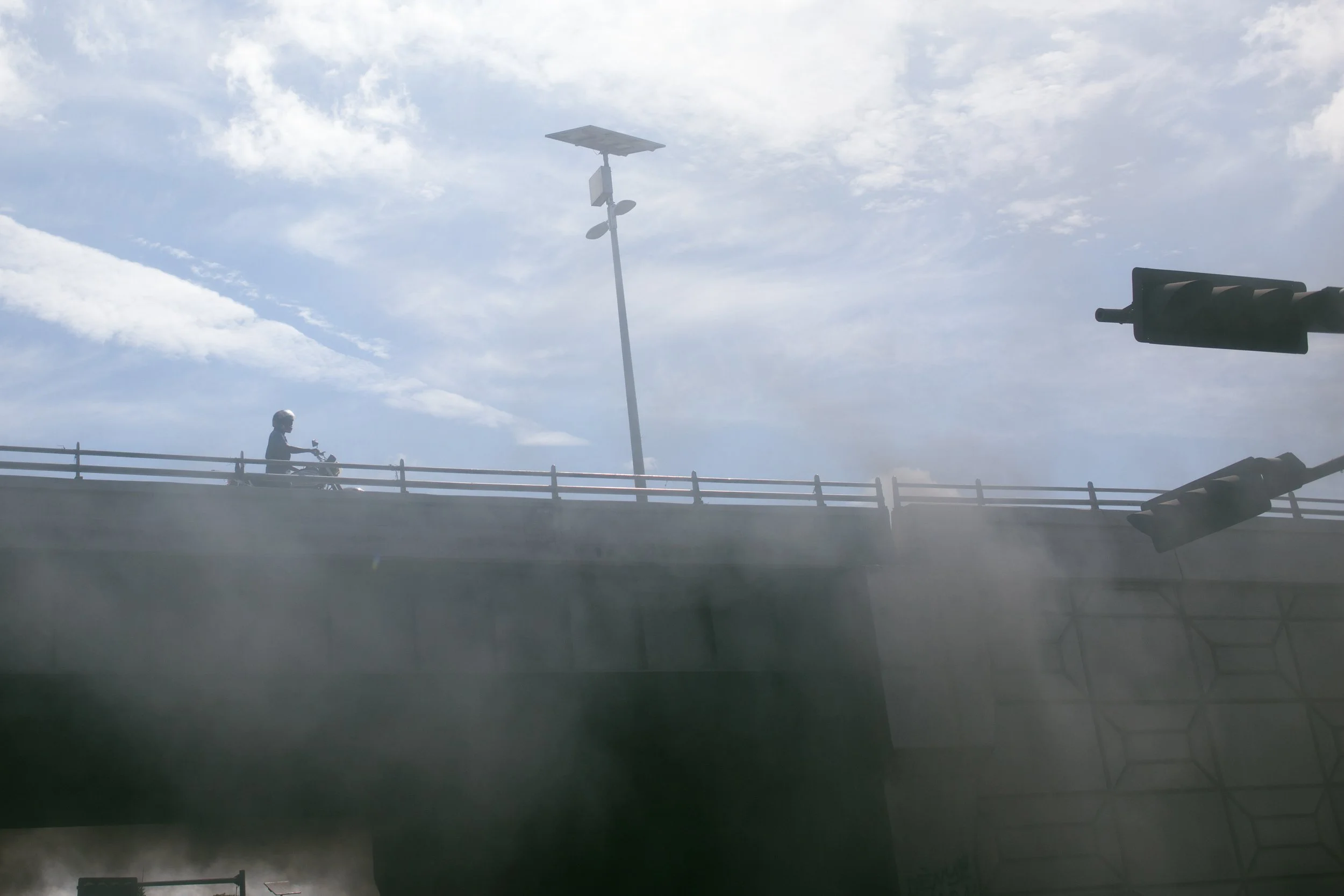
Nationwide anti-corruption protests erupted demanding President Jovenel Moïse step down from power following the Petrocaribe scandal that came to light; a subsidized Venezuelan oil aid program that was suppose to be used for the development of education, health and social programs as well as building infrastructure. Port-au-Prince, 2018.
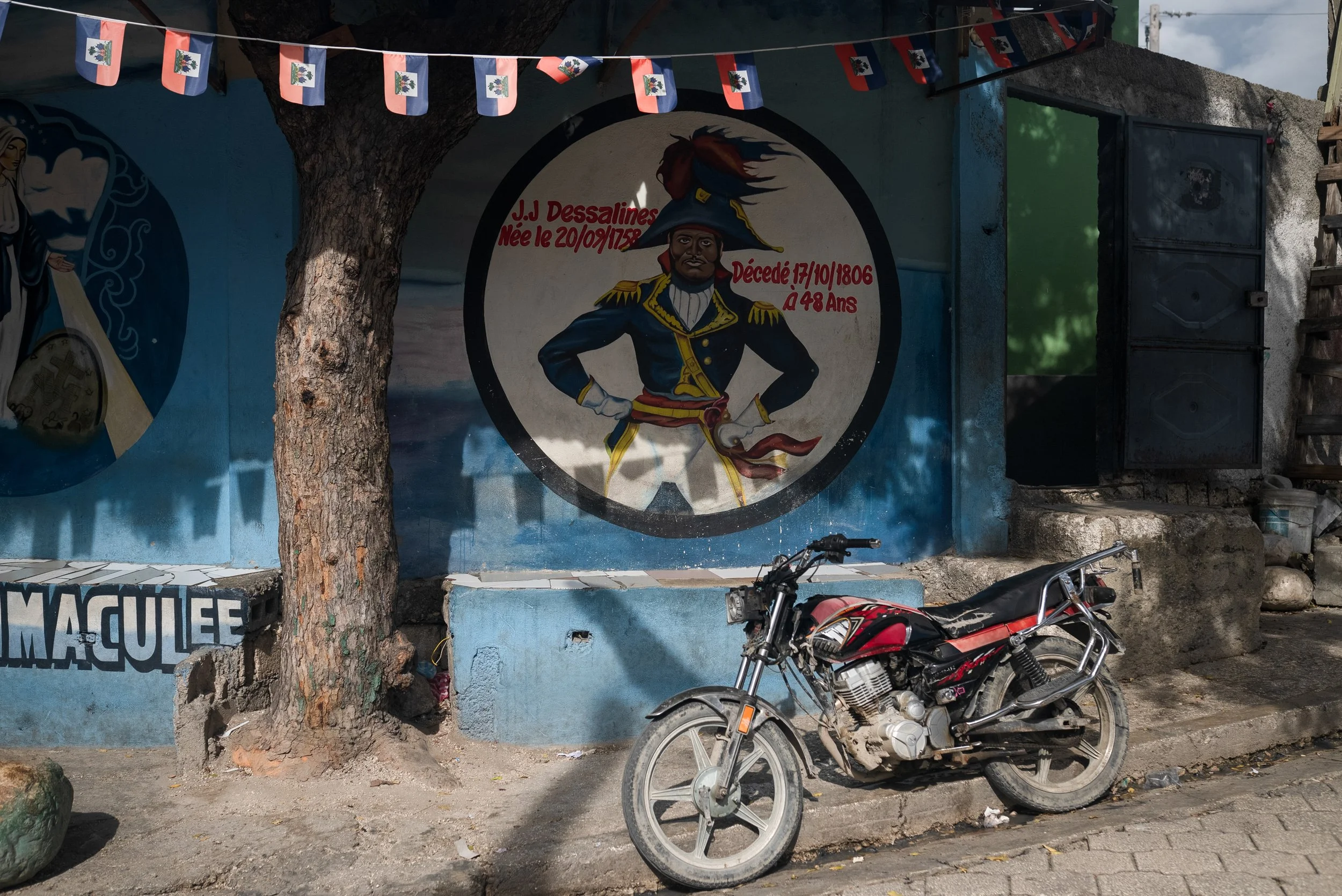
In the neighborhood under the control of G-9 gang leader, Jimmy Cherizier, "Barbecue", a wall mural depicting Haiti's revolutionary figure and first emperor, Jean-Jacques Dessalines. 2023.
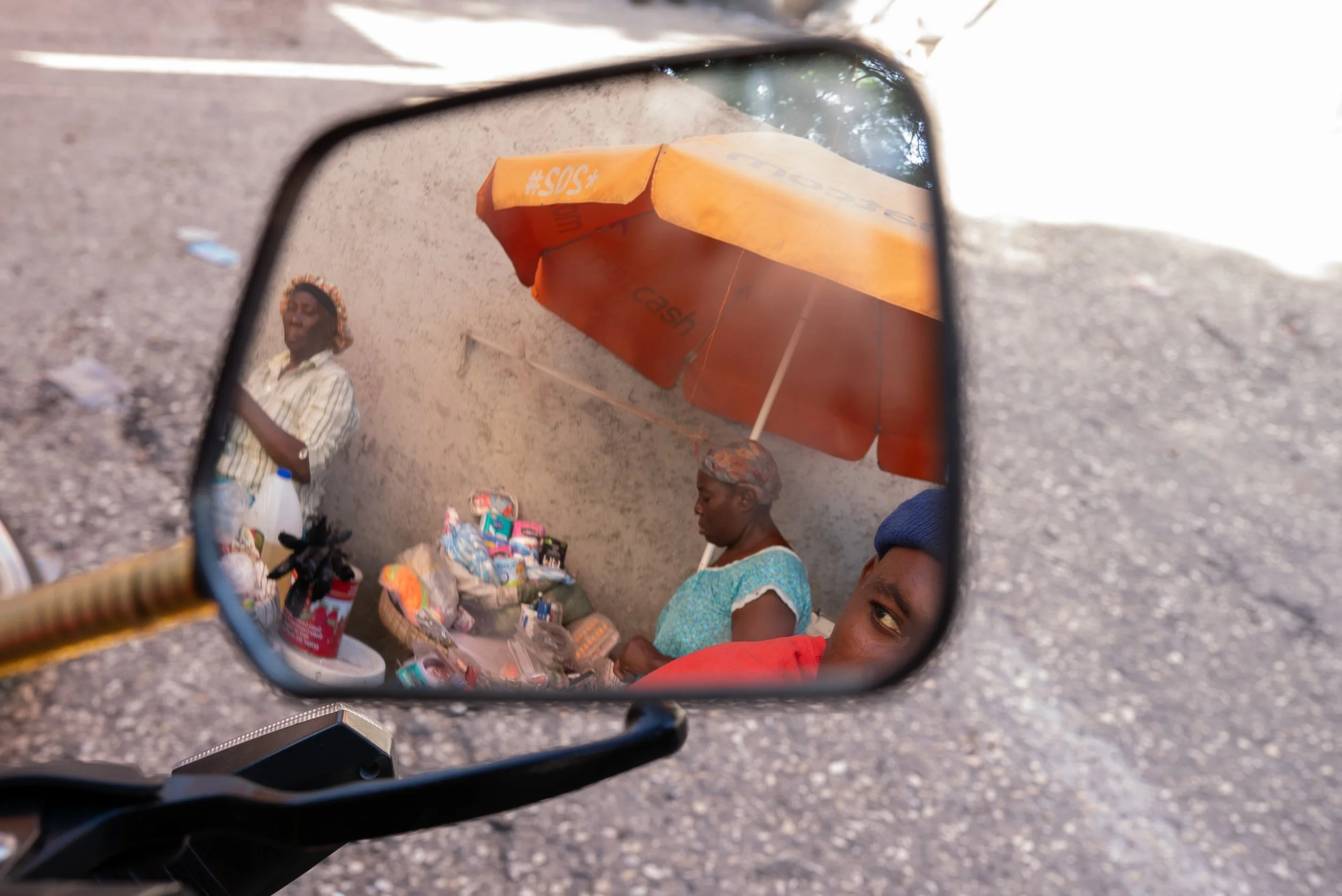
A motorcycle driver watches passerby and marketwomen as he waits for a client in the streets of Port-au-Prince. 2022.
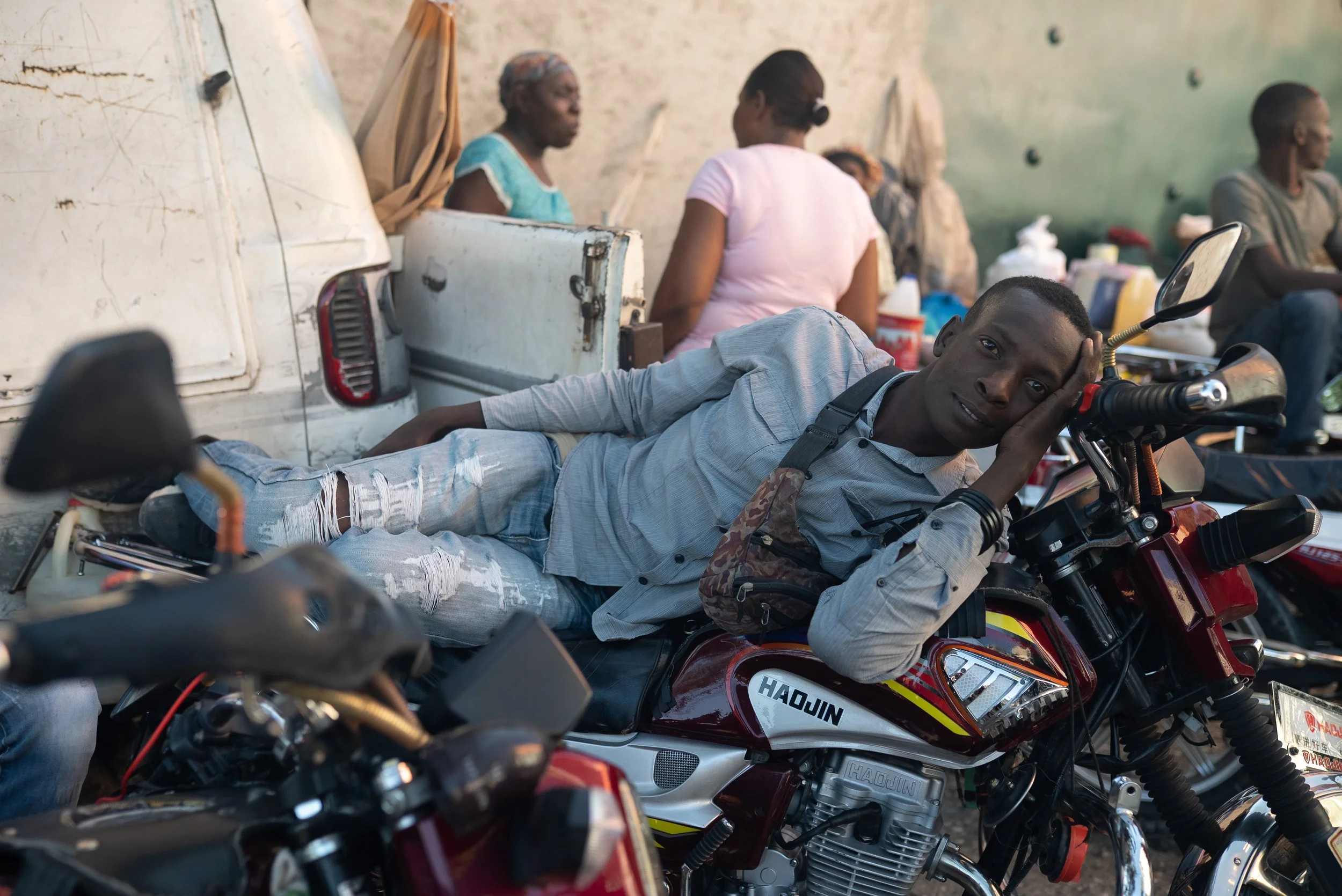
Motorcycle taxi drivers like Nessli, 32, knows he "can die doing this." Before he would have 10 clients a day, now has three if he is lucky. There's a fear that stays with you when one of your friend dies doing this work, he says. Nessli rests on his motorcycle during his work day in Port-au-Prince. 2022.
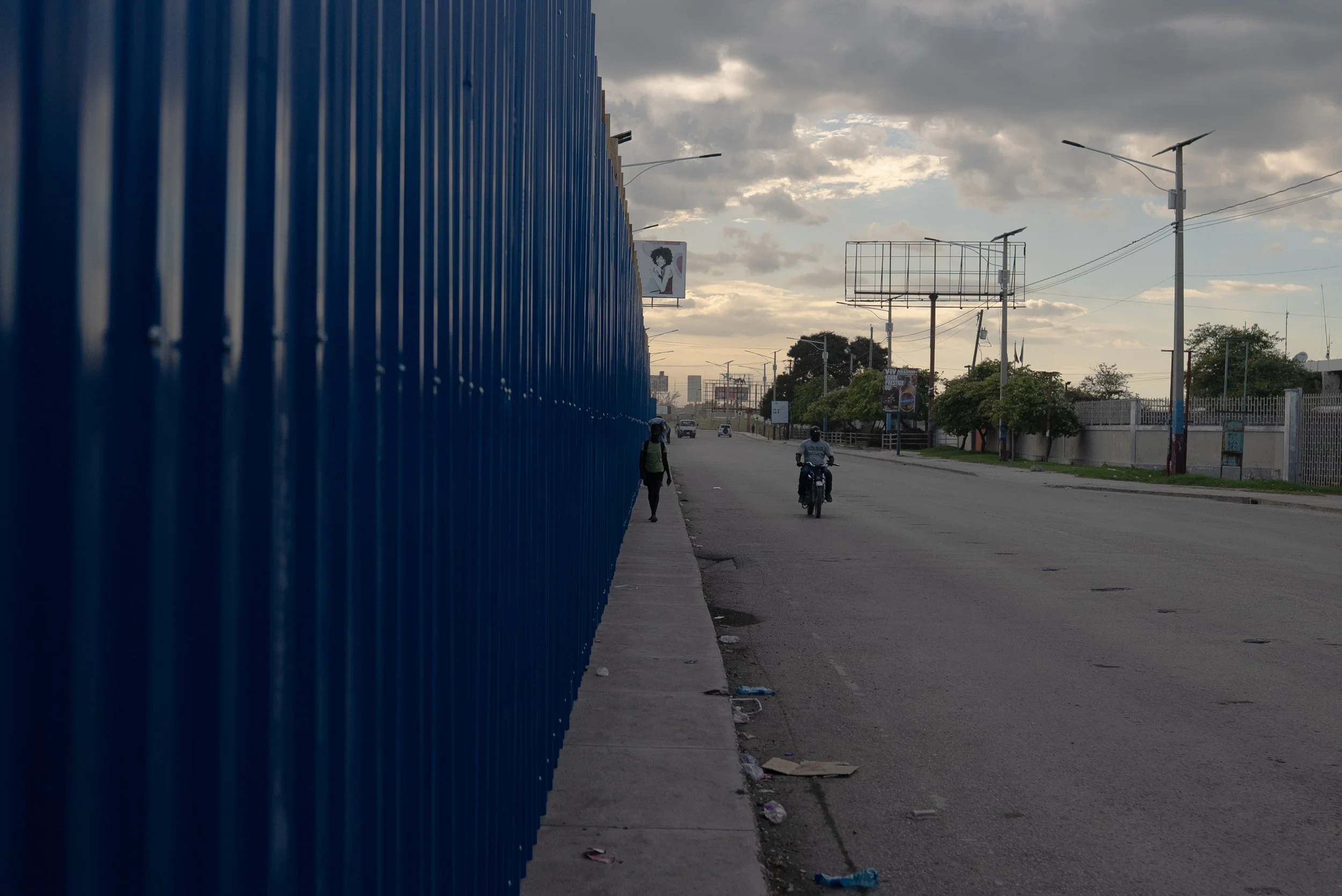
Motorcycle taxi drivers drive past the boarded up Hugo Chavez Plaza where many displaced people took shelter after armed groups forced them out of their neighborhoods in Port-au-Prince.
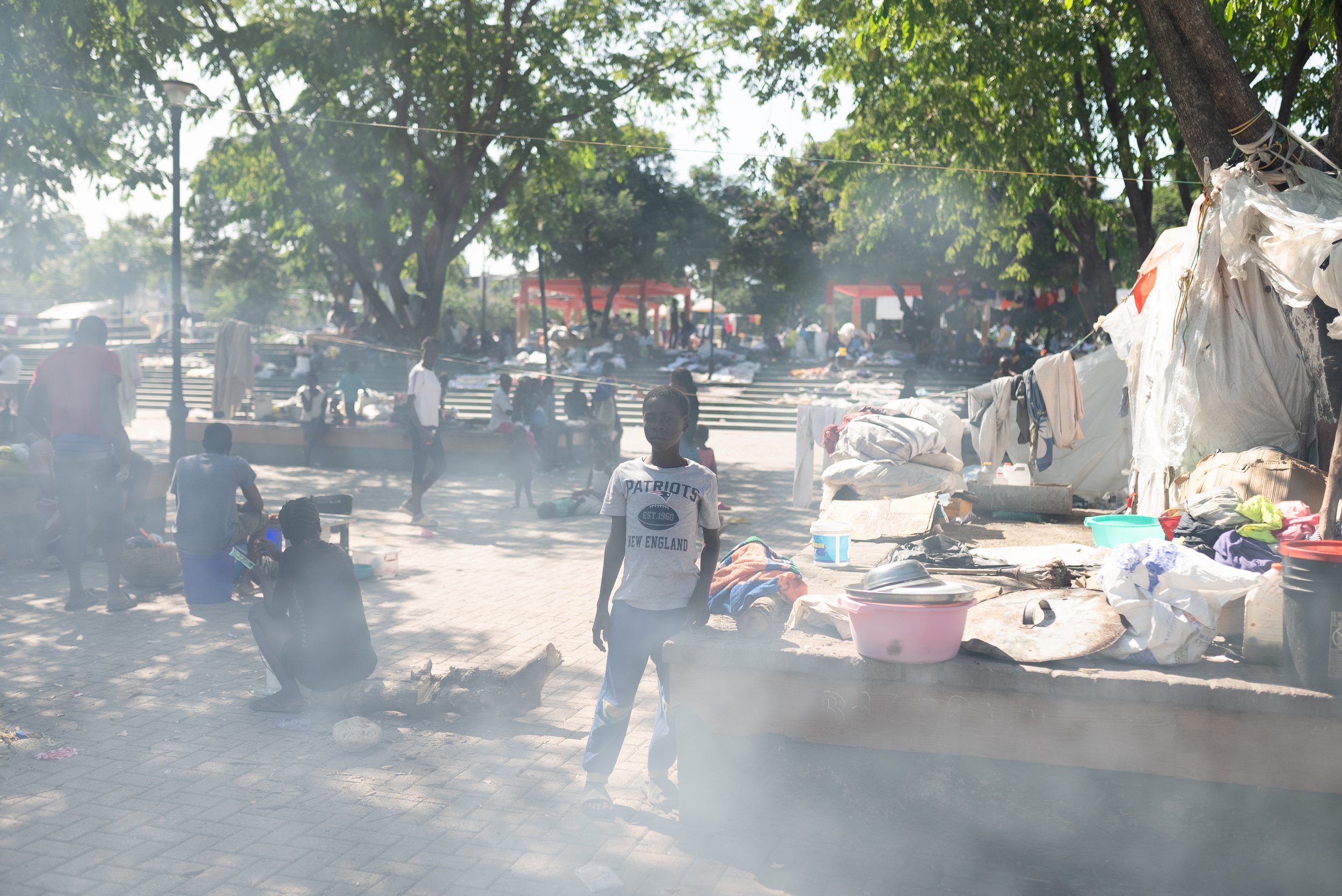
A child stands at a makeshift displacement camp in Port-au-Prince.
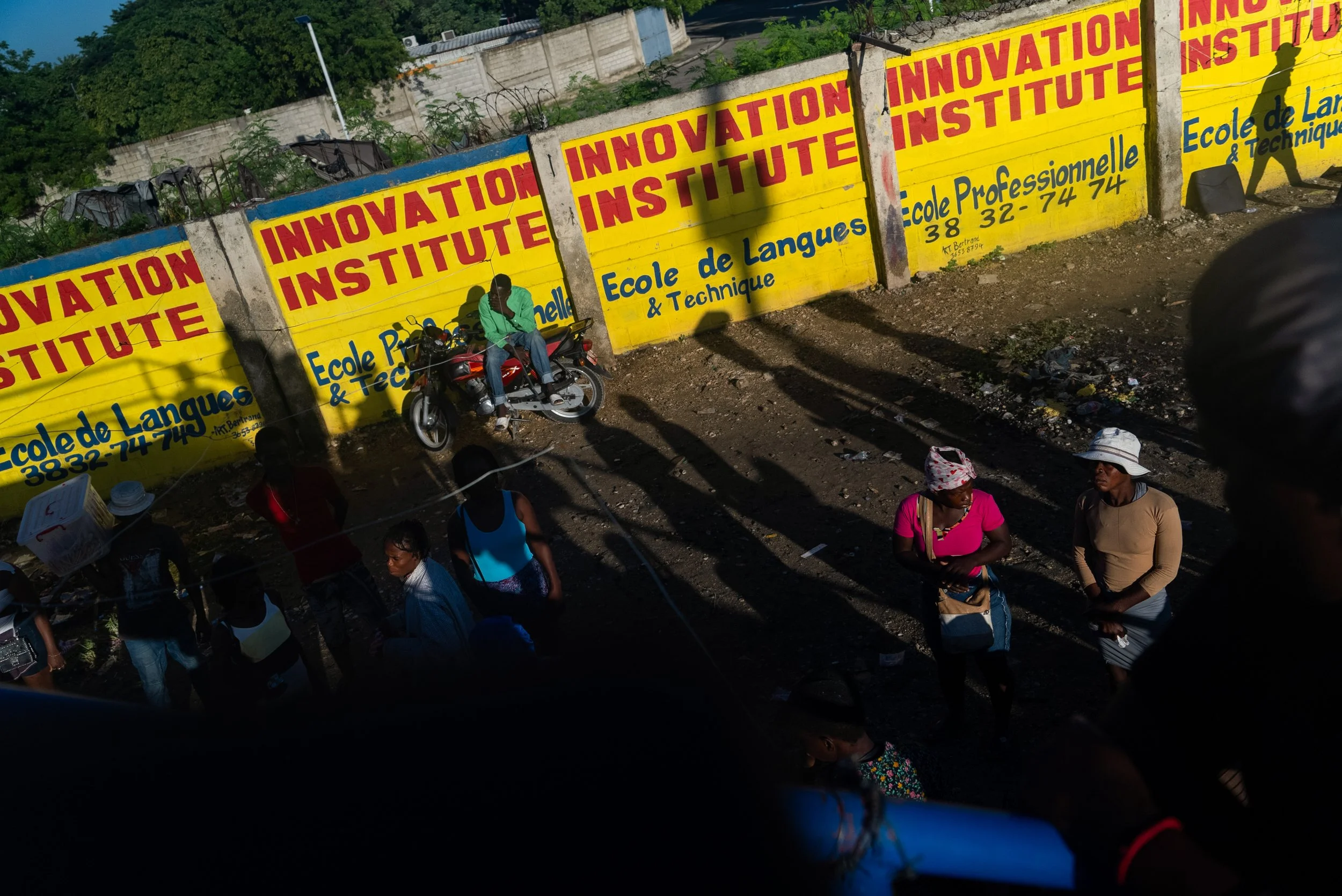
Makeshift displacement camp on the side of the road in Port-au-Prince.

Gunshot marks on the gate of The National Network of Human Rights (RNDDH) in Port-au-Prince.
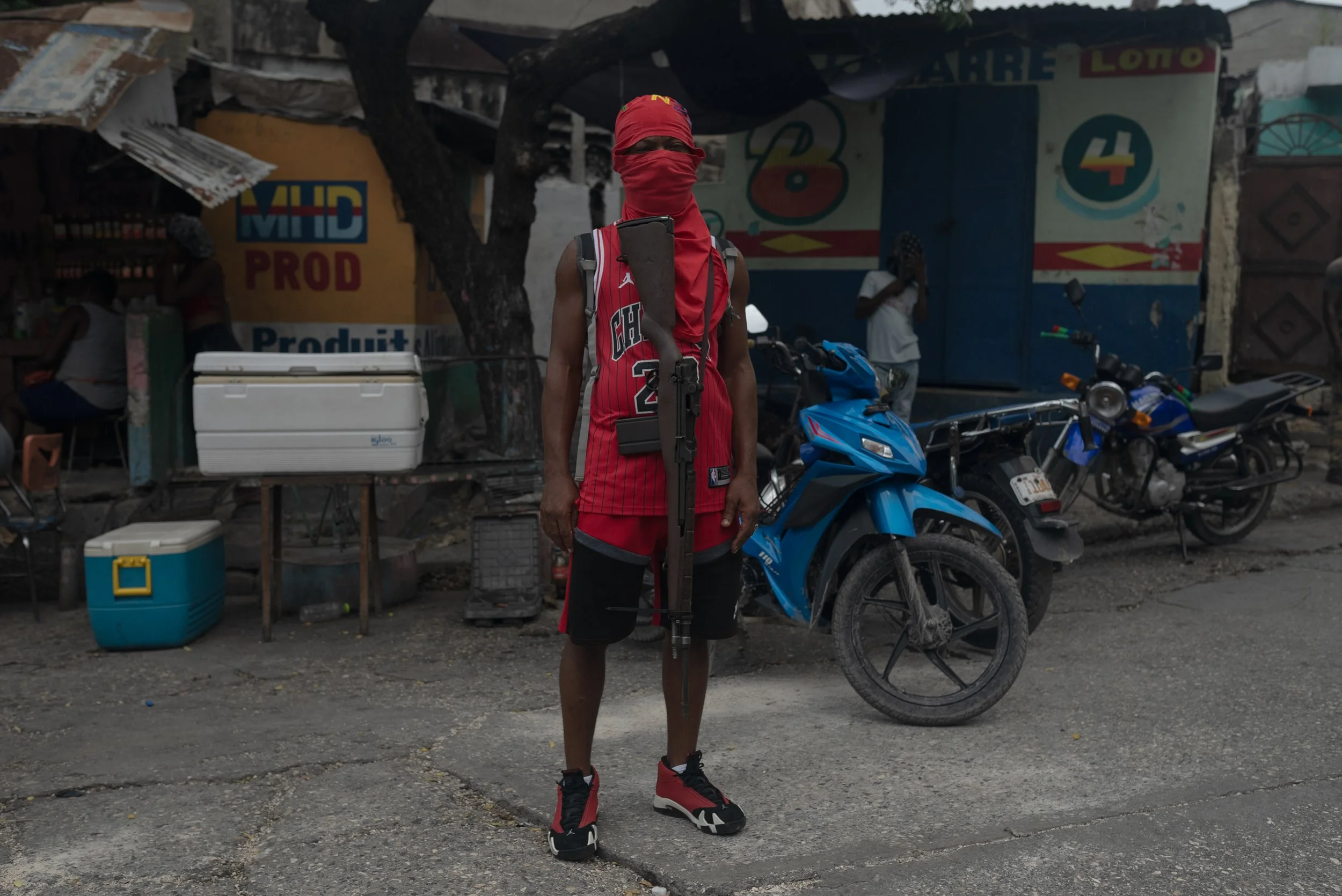
An armed solider stands guard as part of G-9 in Delmas 4, Port-au-Prince.
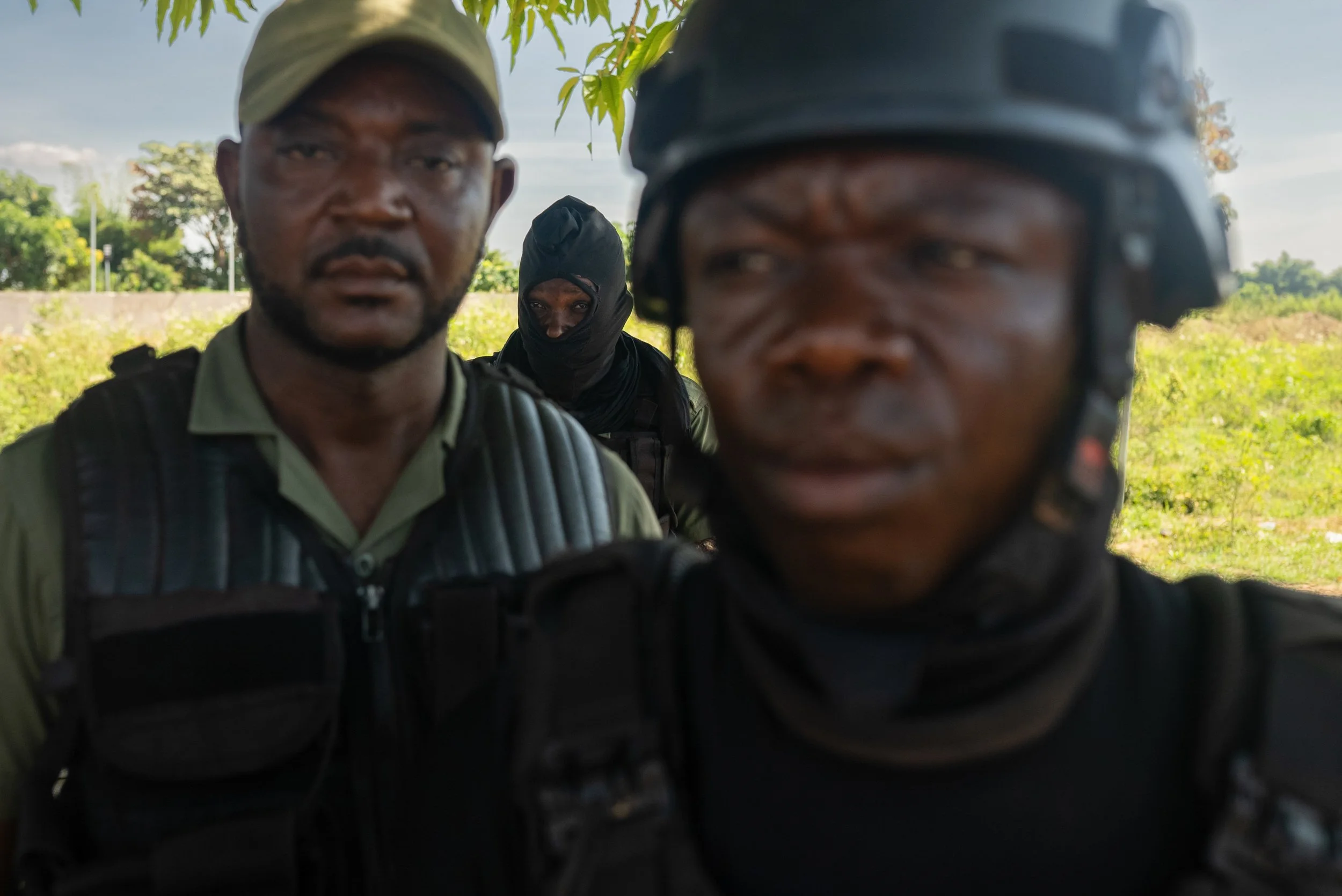
Fredo Joseph, 45, and other Protected Areas Surveillance Brigade (BSAP) agents stand guard at the Haitian-Dominican border.
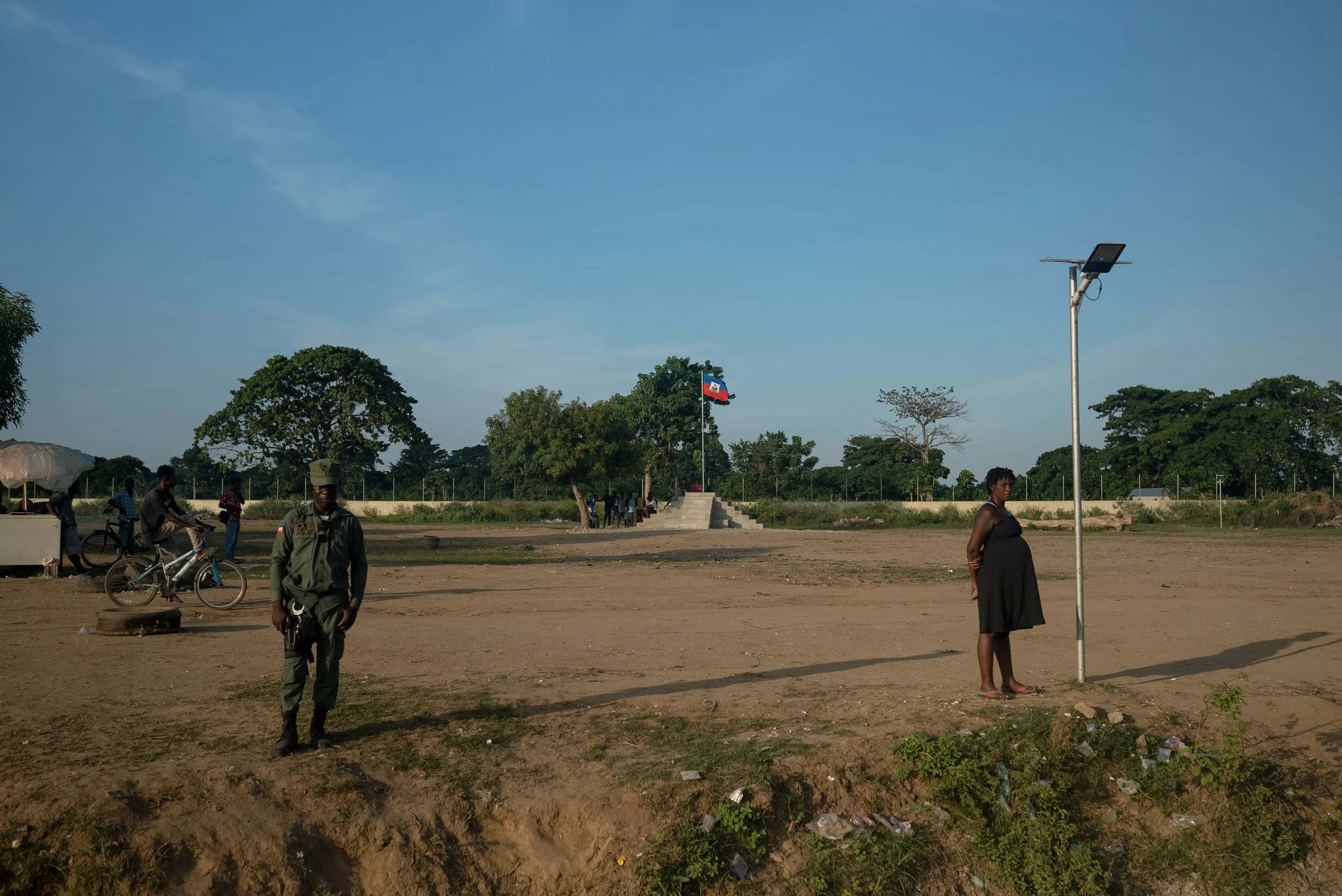
A Haitian Brigade for the Security of Protected Areas (BSAP) Officer stands guard next to a pregnant woman at the border of Haiti and the Dominican Republic.
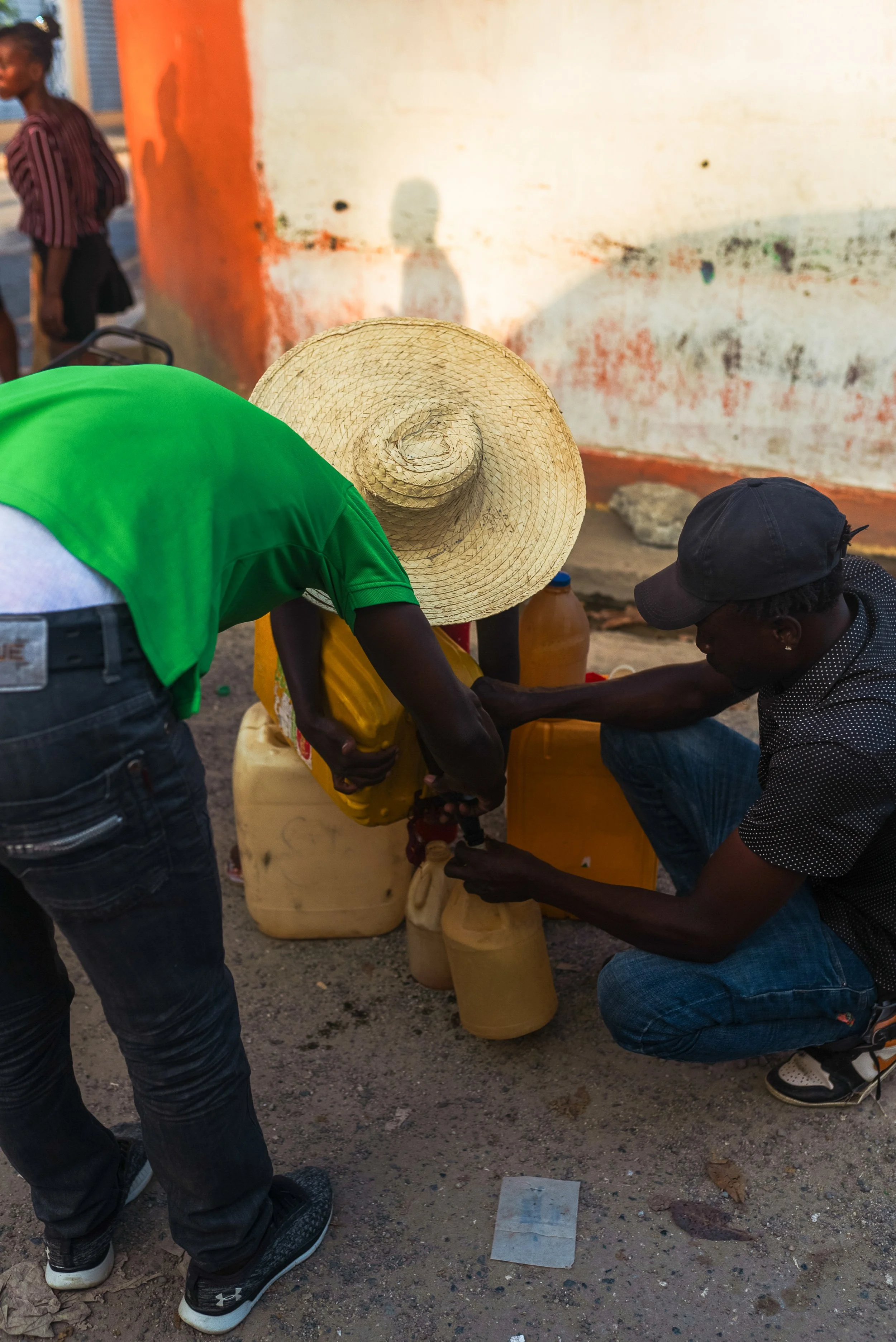
Navigating gas shortages across the country, motorcycle taxi drivers have to buy watered down blackmarket gas sold on the streets of Ouanaminthe.
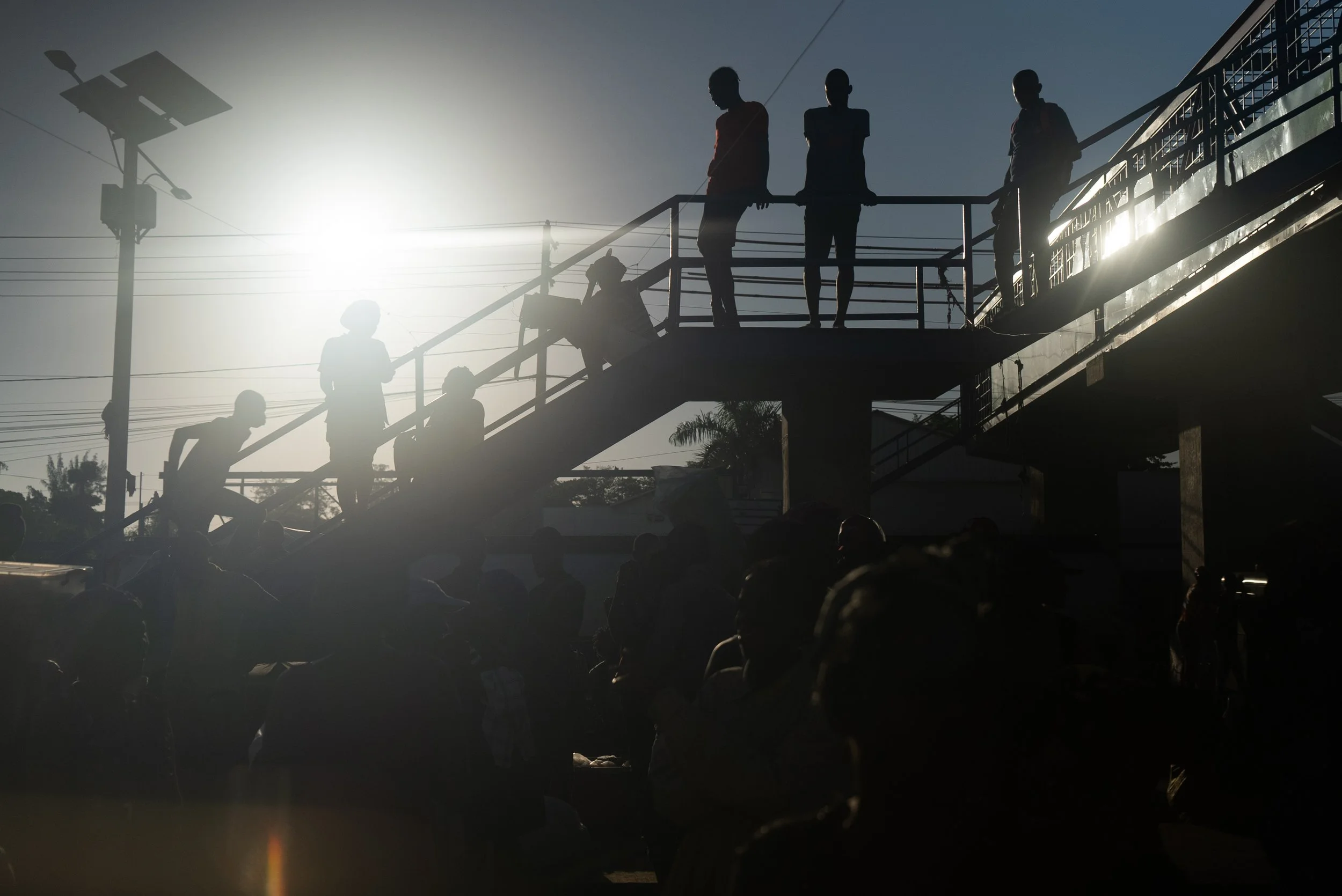
Makeshift displacement camp on the side of the road in Port-au-Prince after citizens were pushed out of the displacement camp at Hugo Chavez in front of the airport by the police.
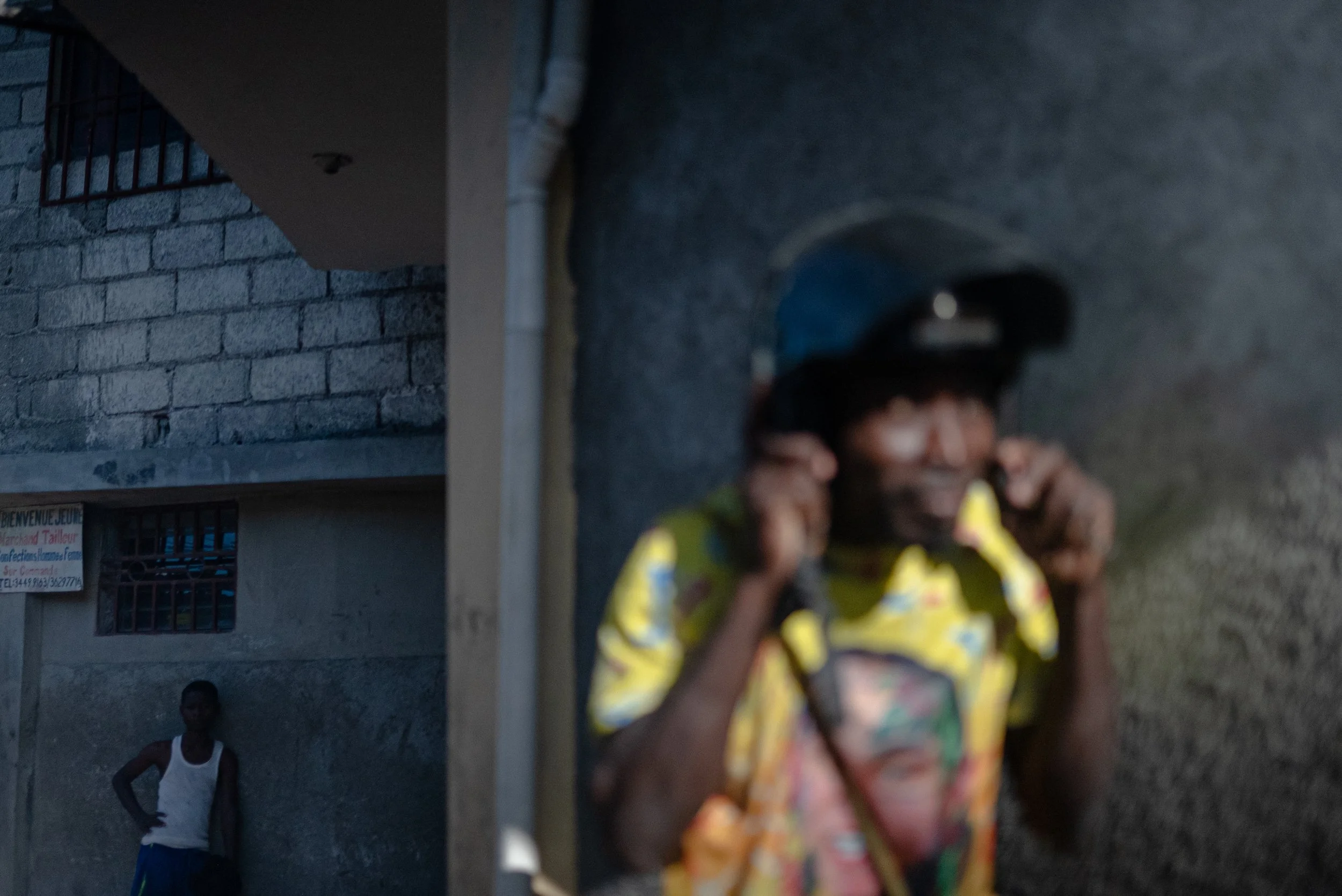
Mucsone, a motorycle taxi driver, puts on his helmet afte leaving the family of his friend, Johnny Alexis, 33, who was killed by a shootout with armed groups in Port-au-Prince.
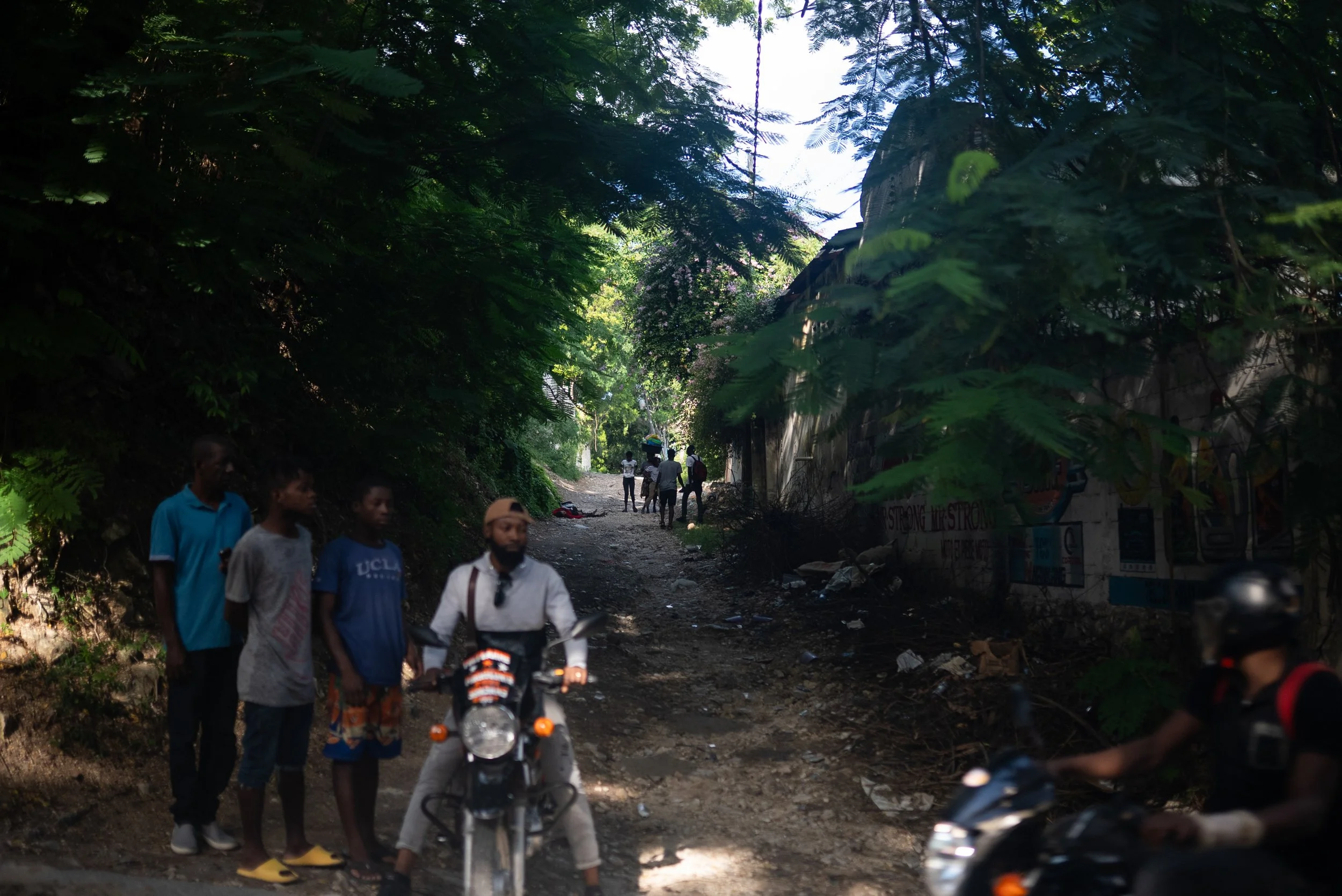
The bodies of to deceased victims of armed groups discarded in an alley as motorcycle taxi drivers continue work in Port-au-Prince.
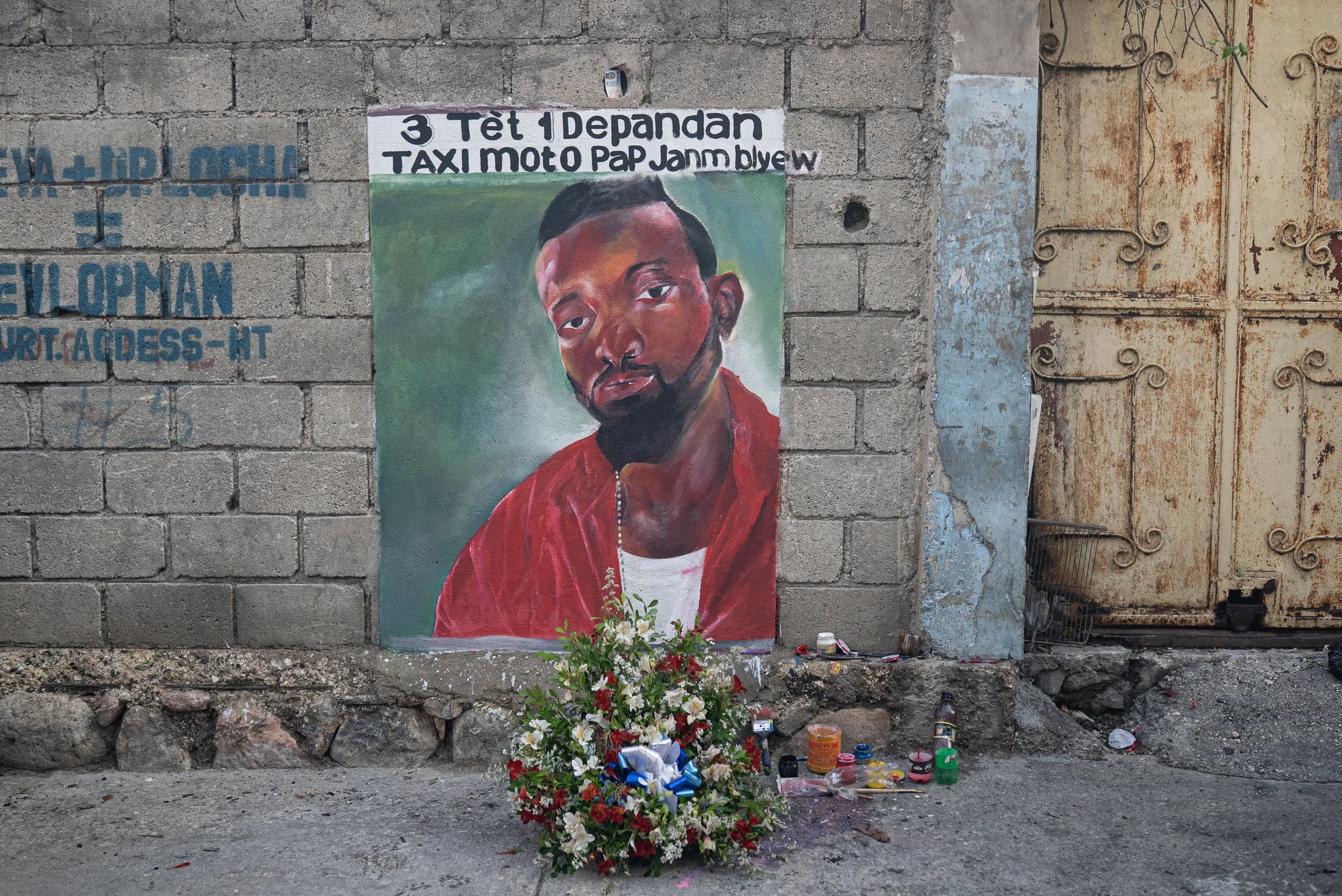
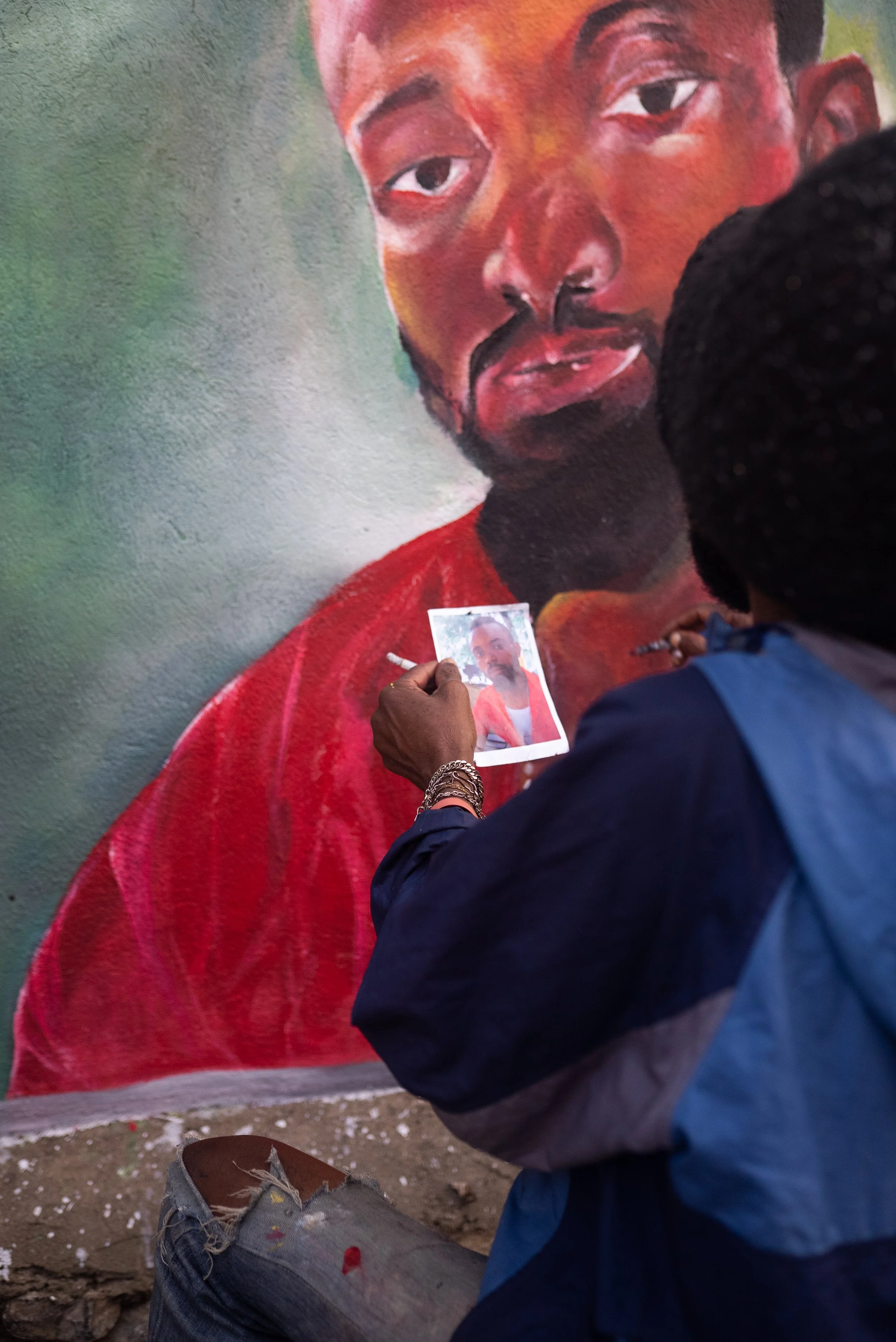
Friends and other motorcycle taxi drivers of the late Johnny Alexis, 33, who was killed by gunfire between gangs and police in downtown Port-au-Prince, hired an artist to paint a mural to commemorate his memory. It reads, "3 heads, 1 dependent. We will never forget you moto taxi driver."
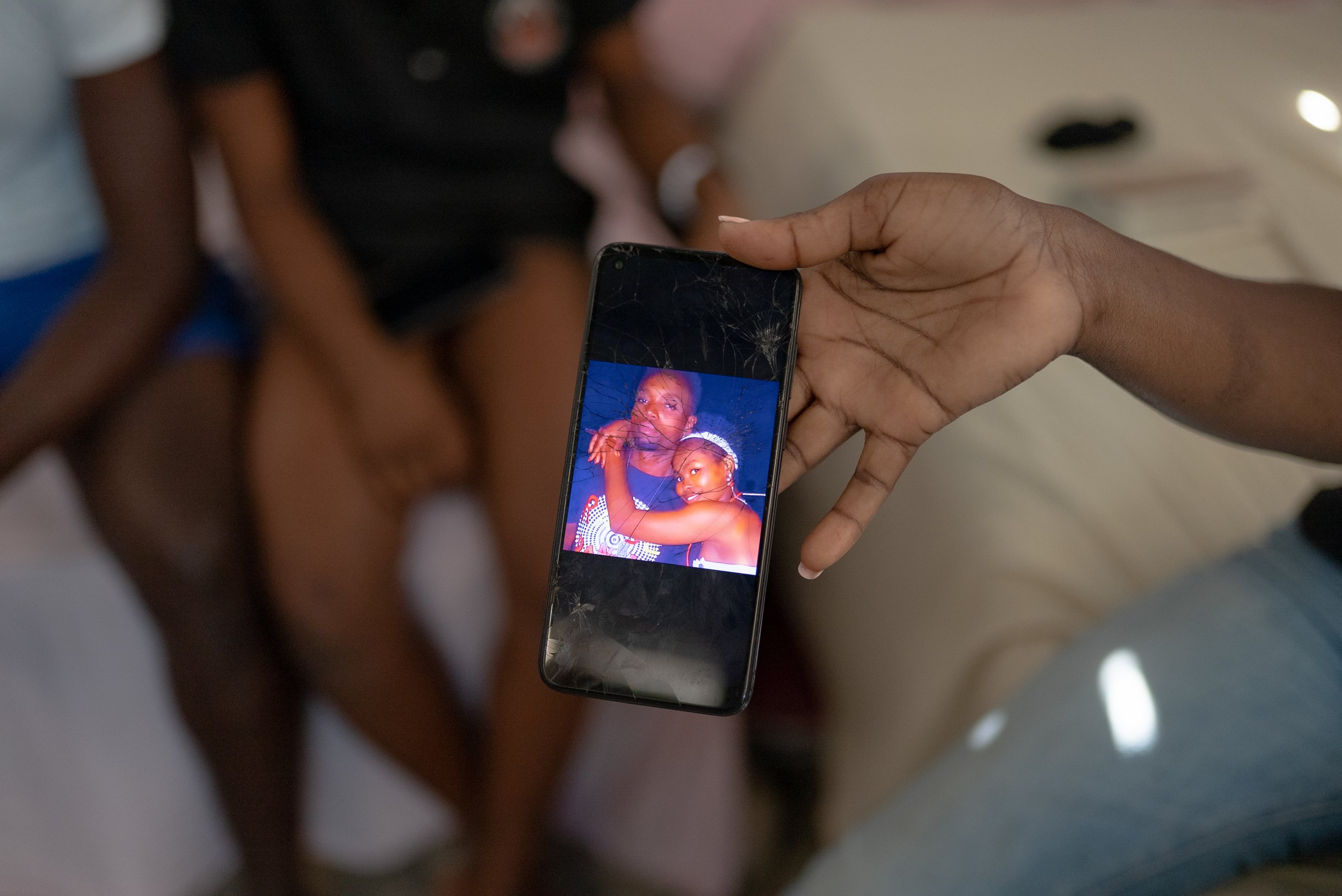
Photo of Onite Charles, 30, with her late husband, Johnny Alexis, 33.
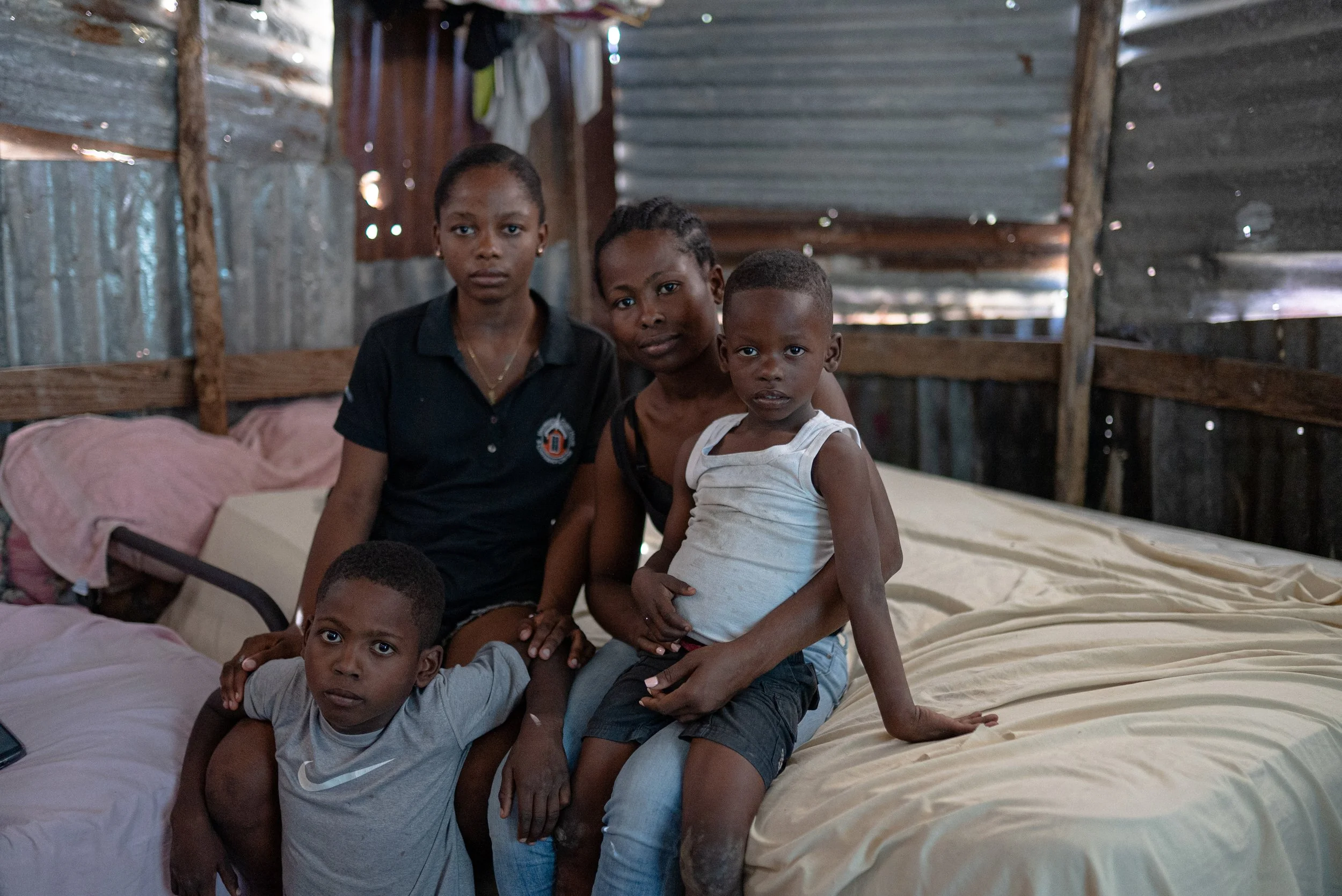
Onite Charles, 30, is the mother of three and recently widowed after her late husband Johnny Alexis, 33, a motorcyle taxi driver, was killed after being caught in crossfire between armed groups and police officers in downtown Port-au-Prince, Haiti.
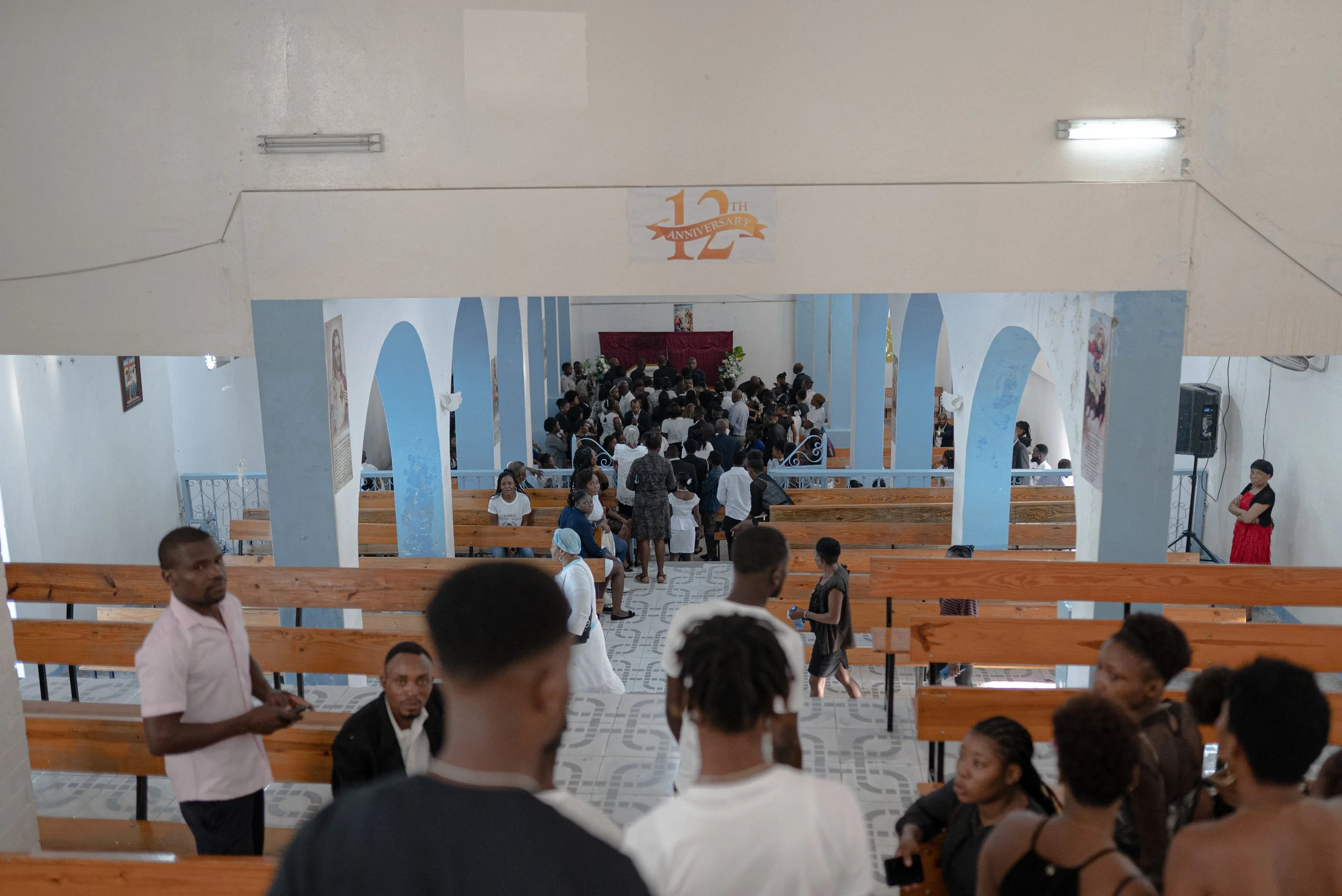
Motorcycle drivers descend for the funeral of Johnny Alexis, 33, who dropping off a client on a run as a motorcycle taxi driver and was killed in the crossfire between gangs and police in downtown Port-au-Prince on Nov. 11, 2022.
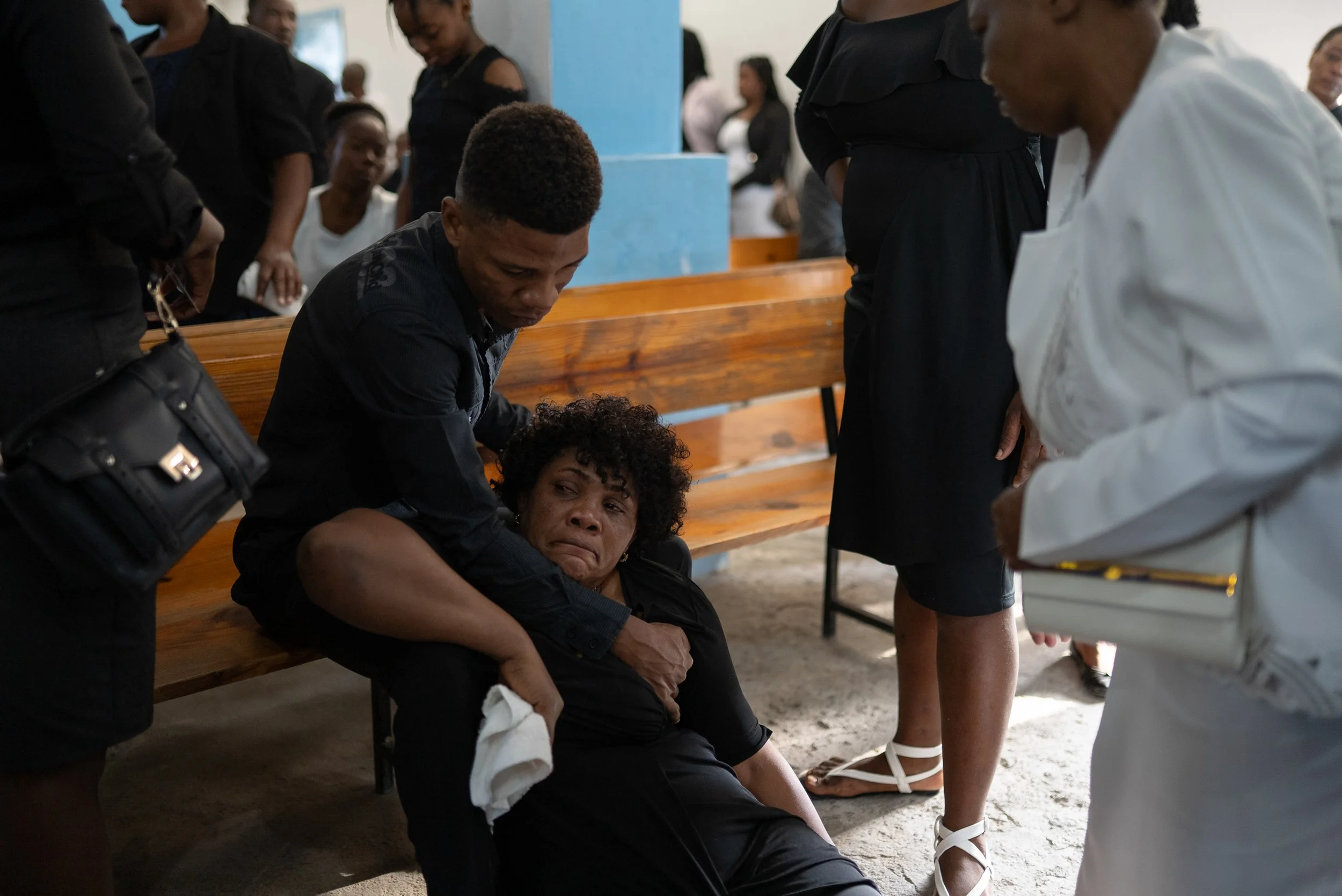
The funeral of Johnny Alexis, 33, who dropping off a client on a run as a motorcycle taxi driver and was killed in the crossfire between gangs and police in downtown Port-au-Prince on Nov. 11, 2022.
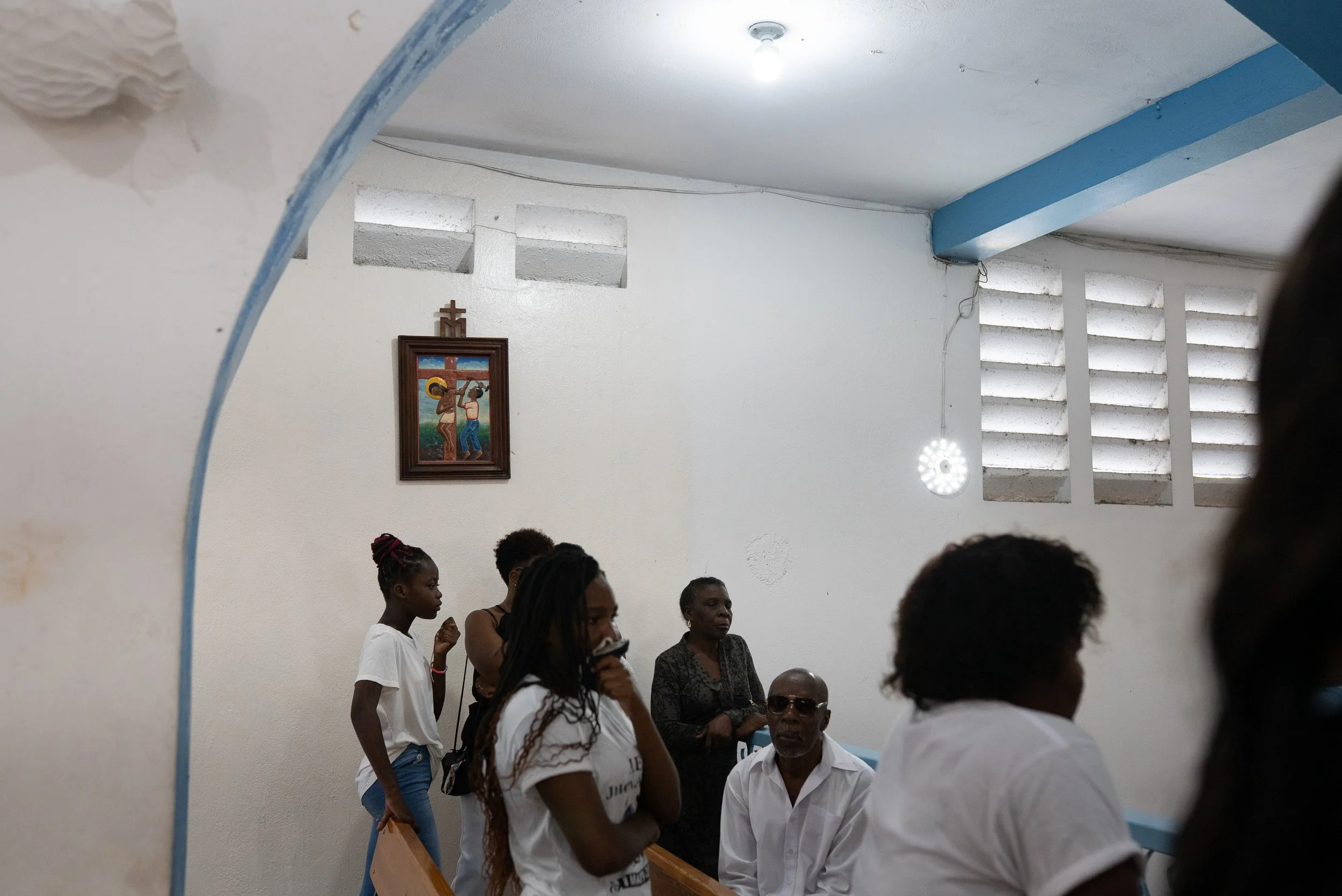
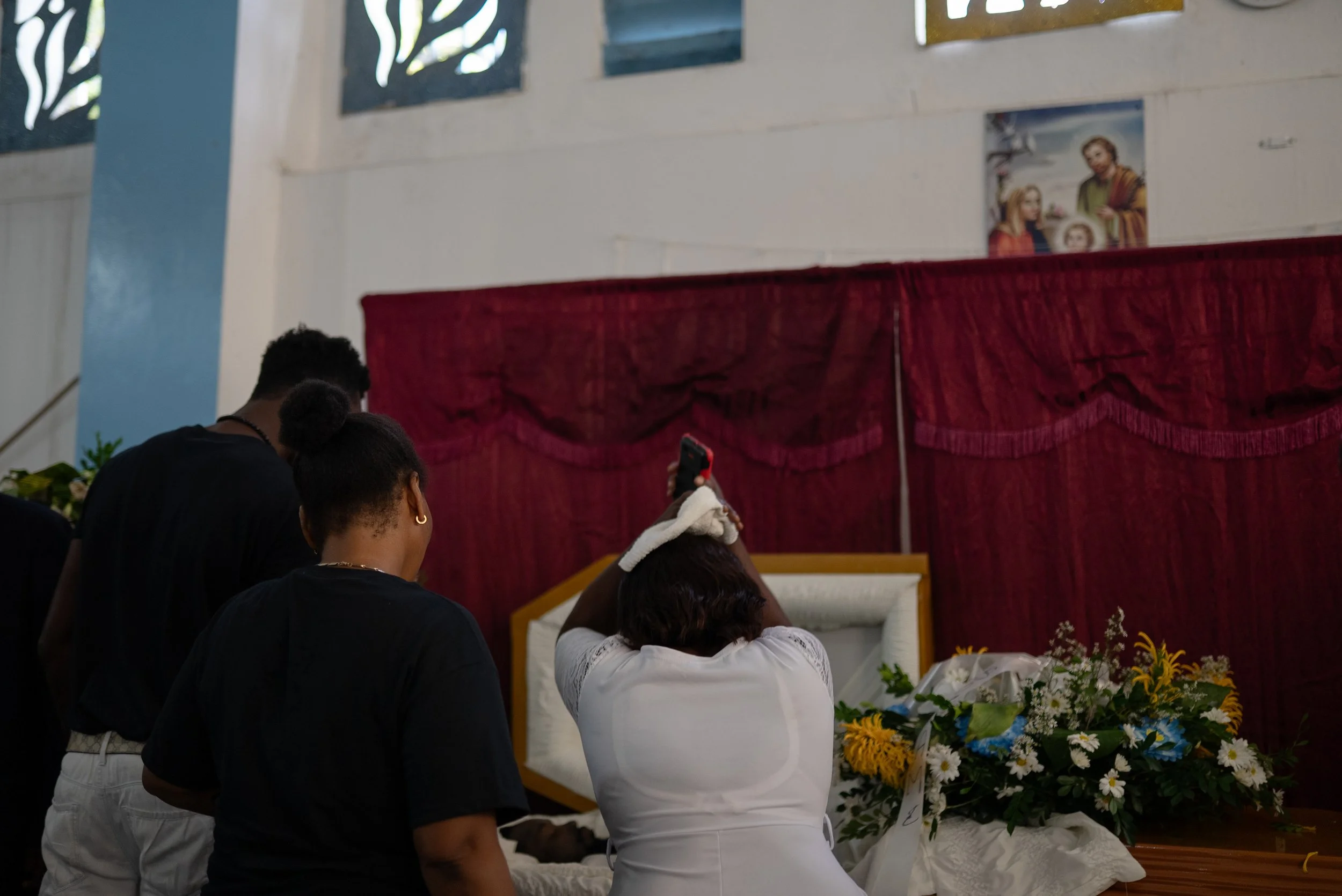
Mourners at the funeral of Johnny Alexis, 33.
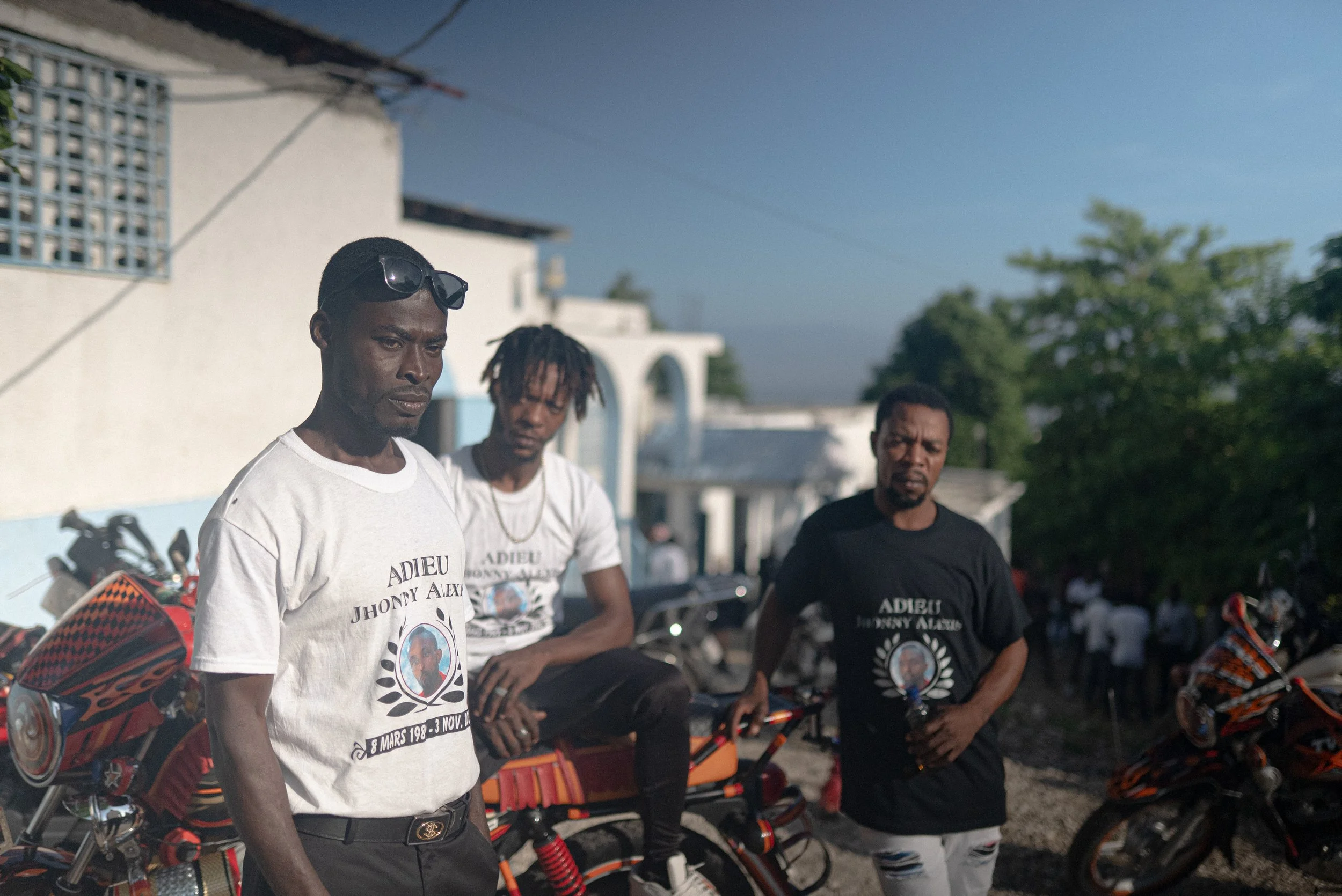
Mucsone, and other motorcycle taxi drivers at the funeral of Johnny Alexis, 33.
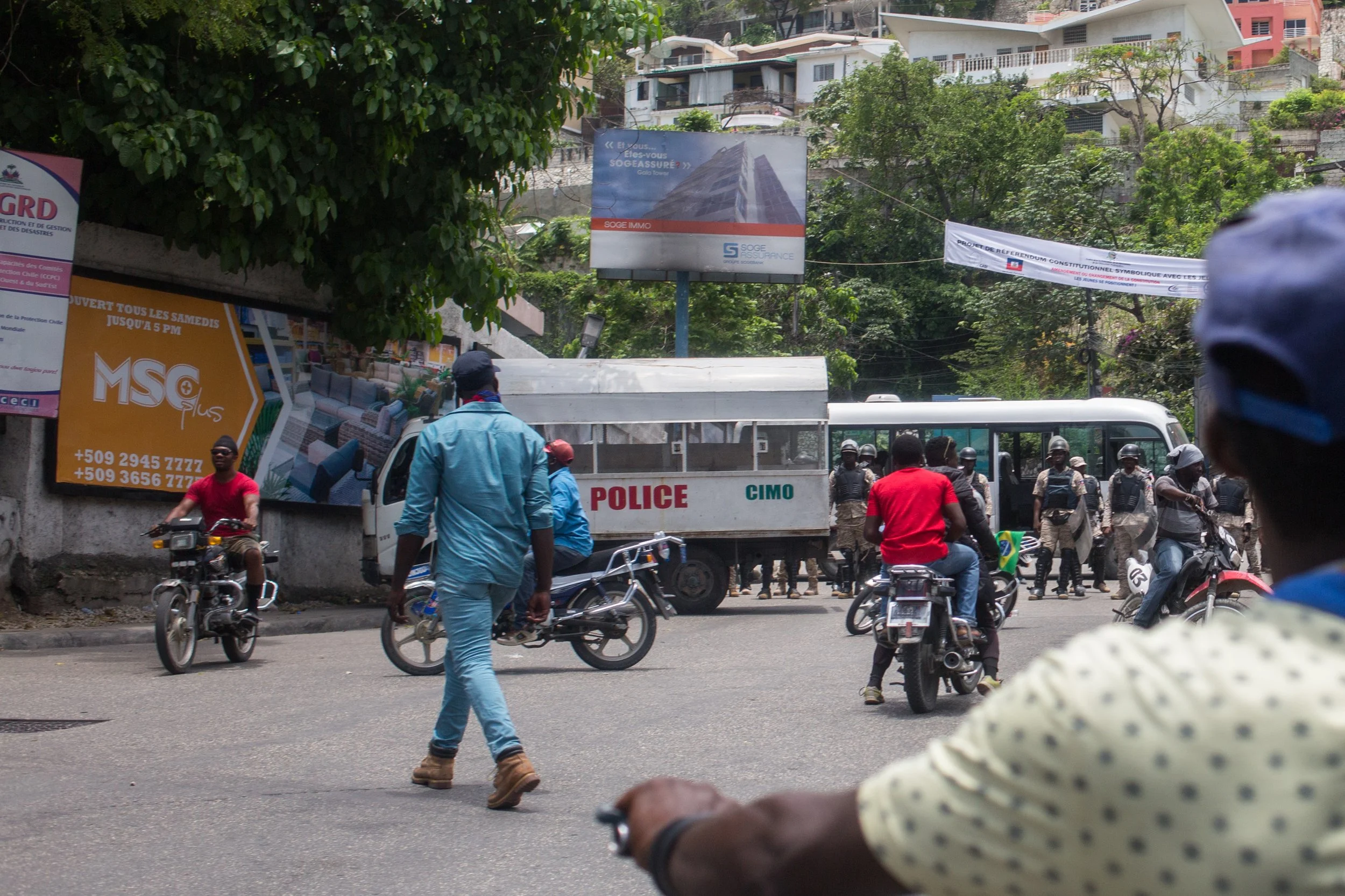
Nationwide anti-corruption protests erupted demanding President Jovenel Moïse to step down from power following the most recent report published that formally indicted him in the embezzlement of billions of dollars from Petrocaribe, a subsidized Venezuelan oil aid program that was suppose to be used for the development of education, health and social programs as well as building infrastructure.
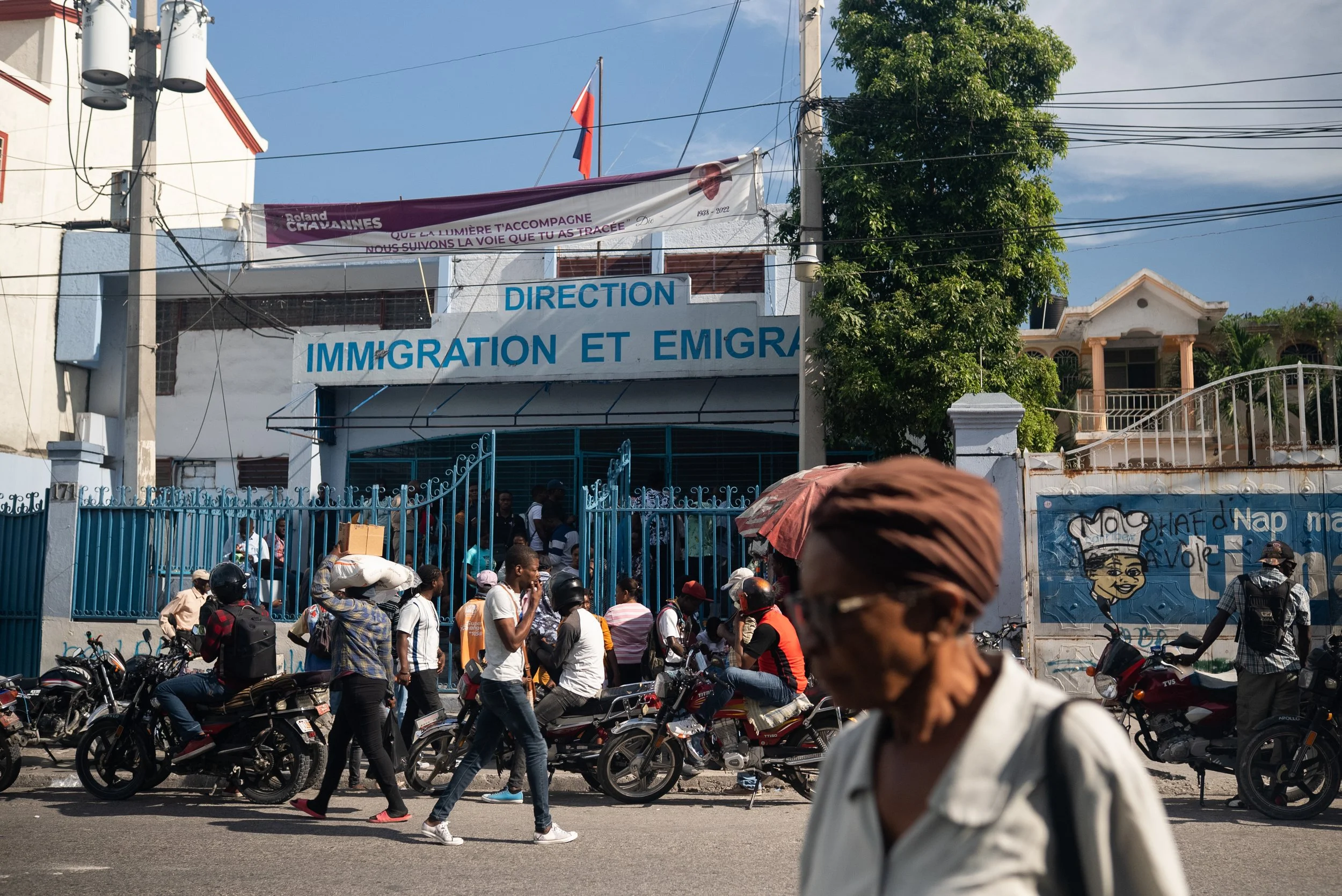
Motorcycle taxi drivers mob an immigration office to apply for the Biden administration's humanitarian parole program for Haitians (part of the CHNV program).
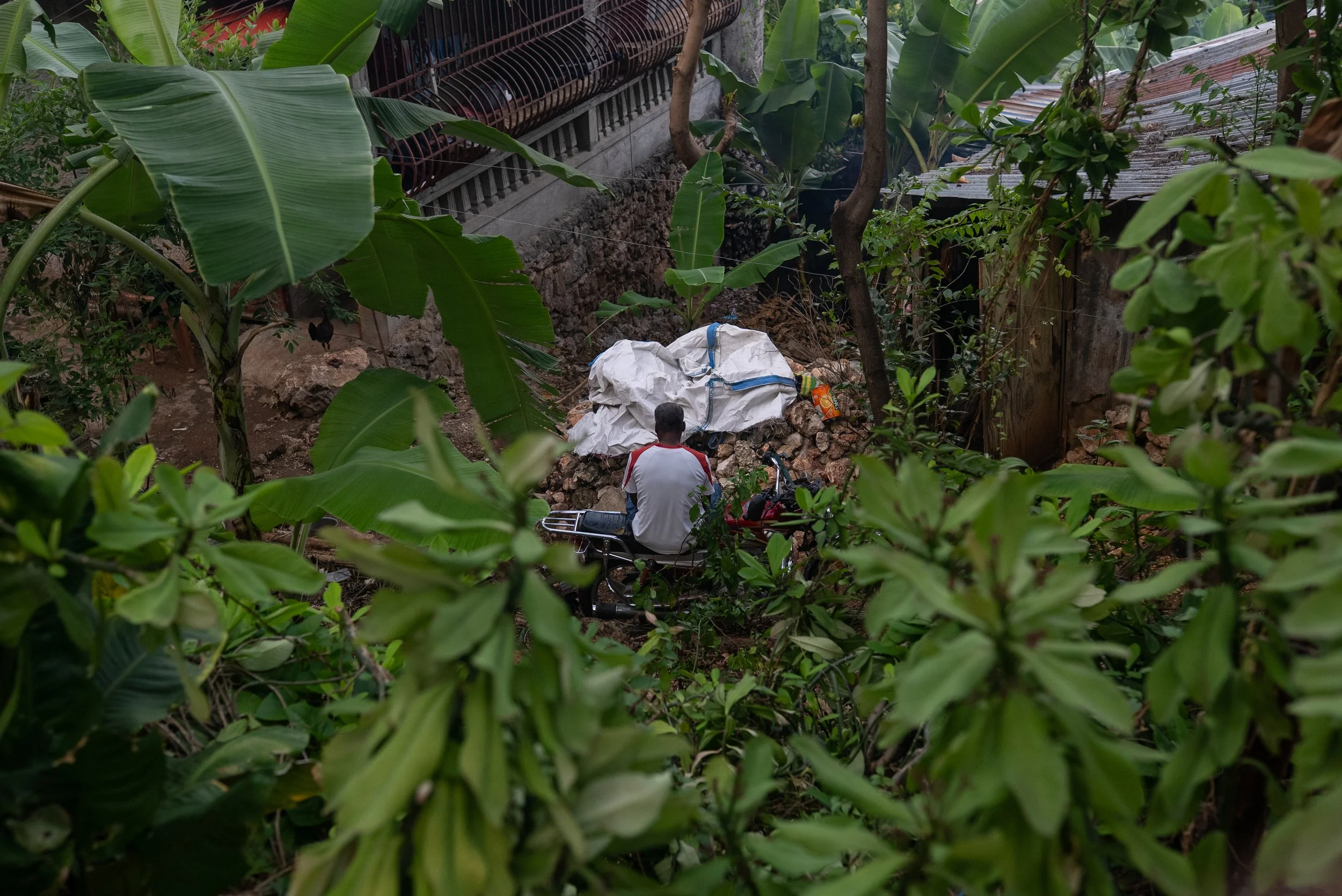
Jean-Claude Bonhomme, 52, hasn't driven his motorcycle in two months — the cost of fuel has made it impossible. He has managed hypertension for twenty years and struggles to access his medication. He and his wife spend most of their time at church. They took in Marie Junie and her daughter Nathanaële, relatives displaced by gang violence in Tabarre, until the two left two weeks ago to join Marie Junie's husband in the Dominican Republic.
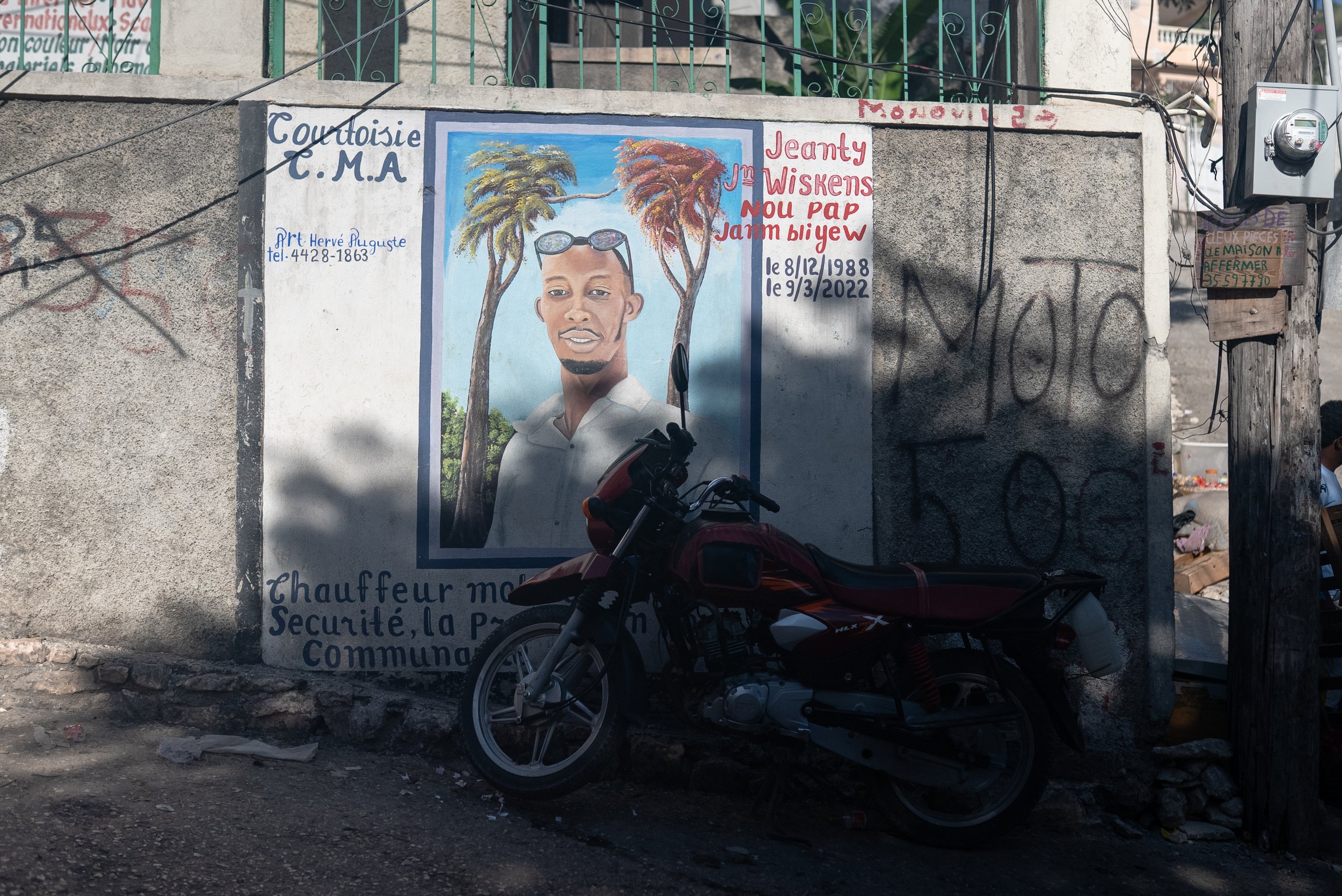
A memorial in front a motorcycle station for motorcycle taxi driver, Jeanty Jean Wiskens, 34, killed by armed groups as he worked in Port-au-Prince in September 2022.
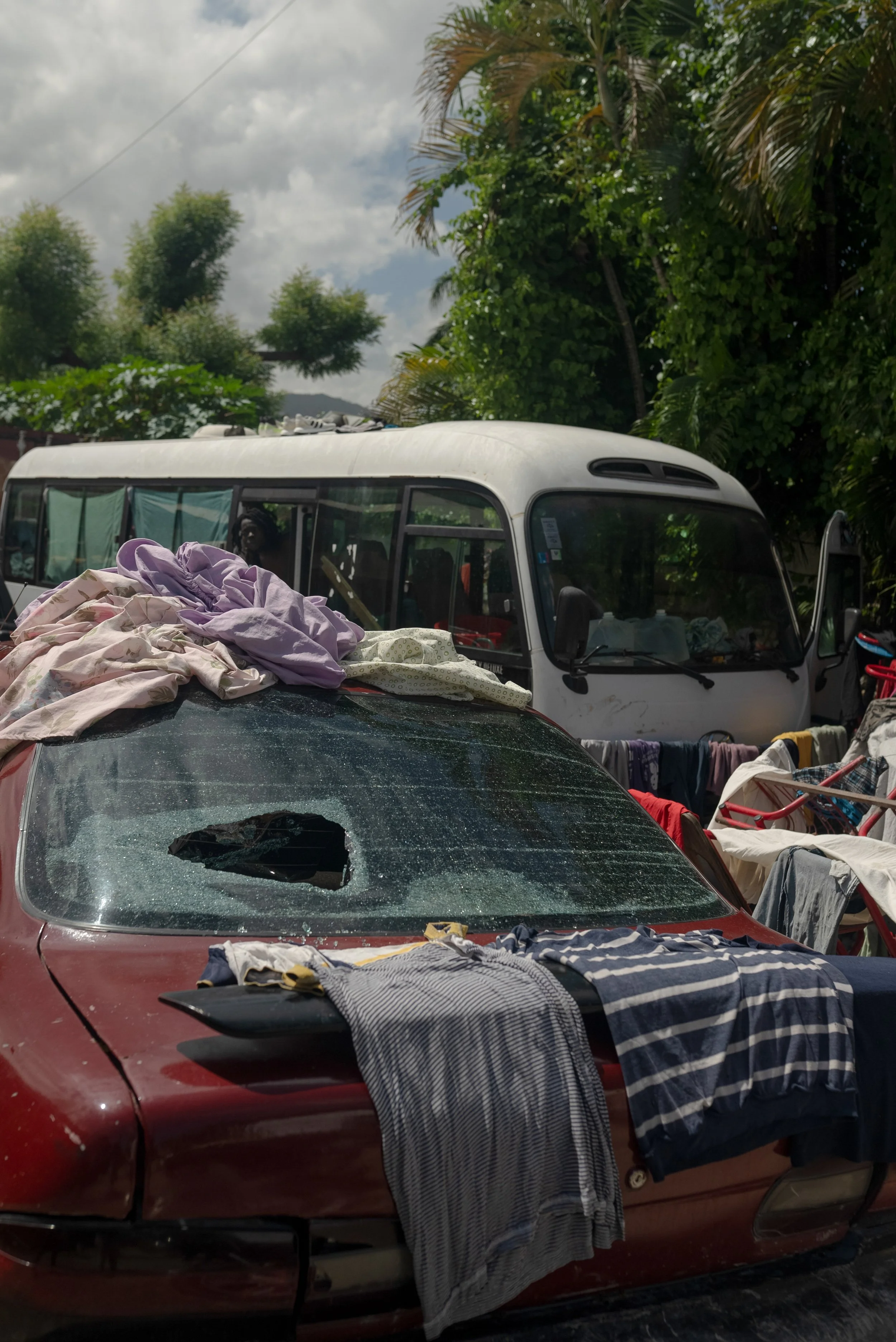
A spontaeous camp in a high school in Pacot hosting more than 3,000 refugees from neighboring Carrefour-Feuilles after armed gangs attacked the neighborhood.
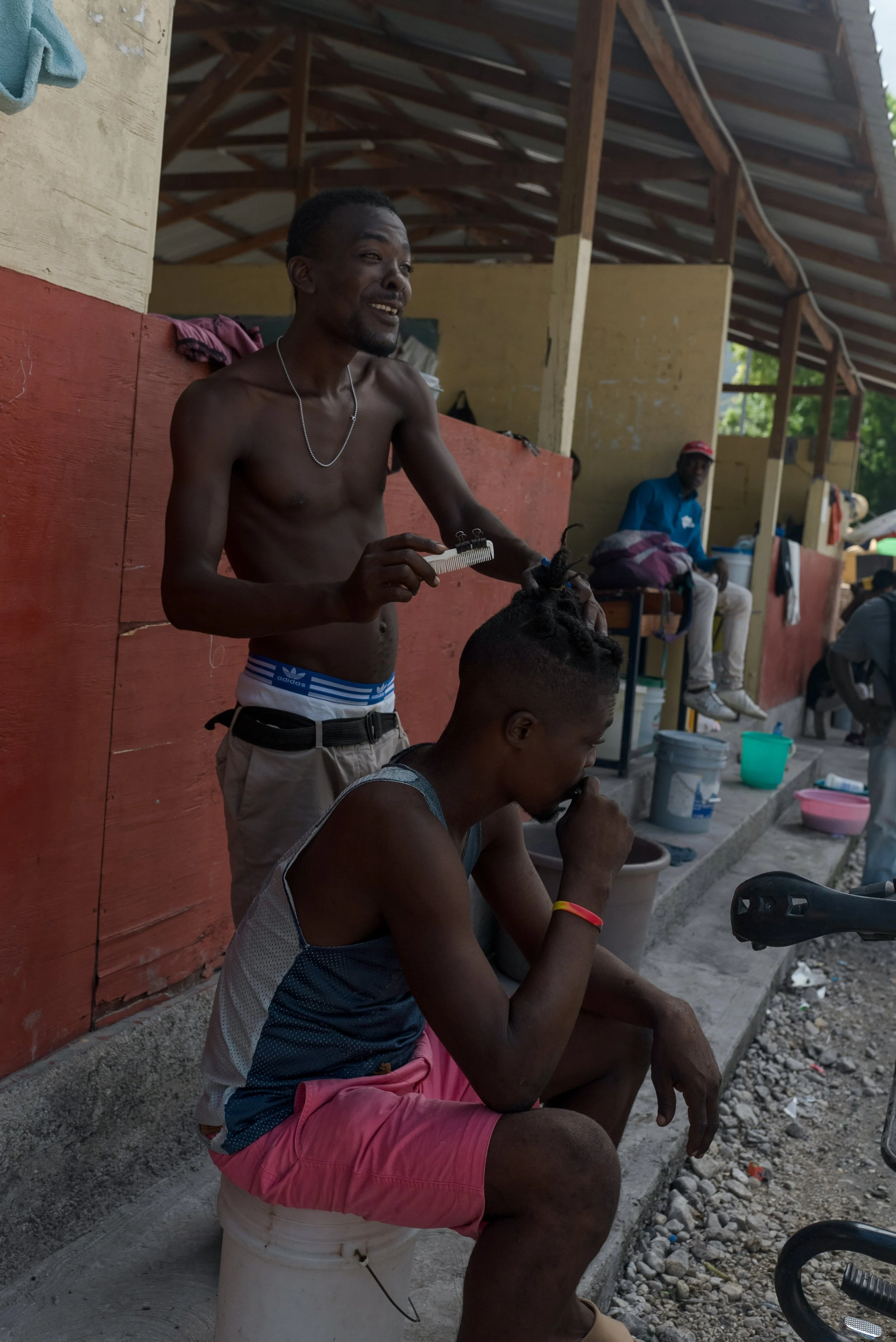
A displaced man cuts a friends hair in the spontaneous camp in a high school in Pacot hosting more than 3,000 refugees from neighboring Carrefour-Feuilles after armed gangs attacked the neighborhood.
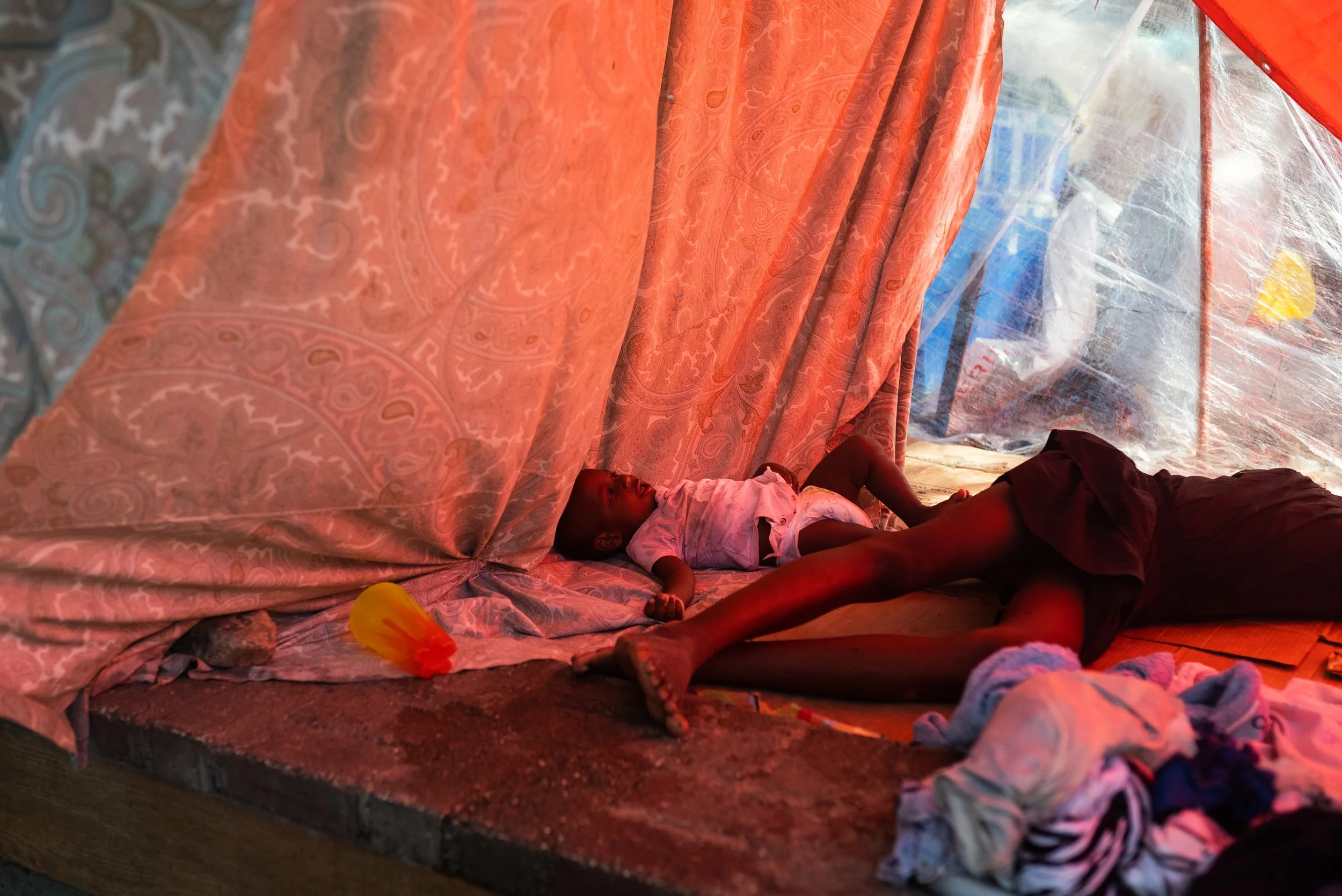
A baby at the Hugo Chavez makeshift displacement camp in front of the airport in Port-au-Prince.
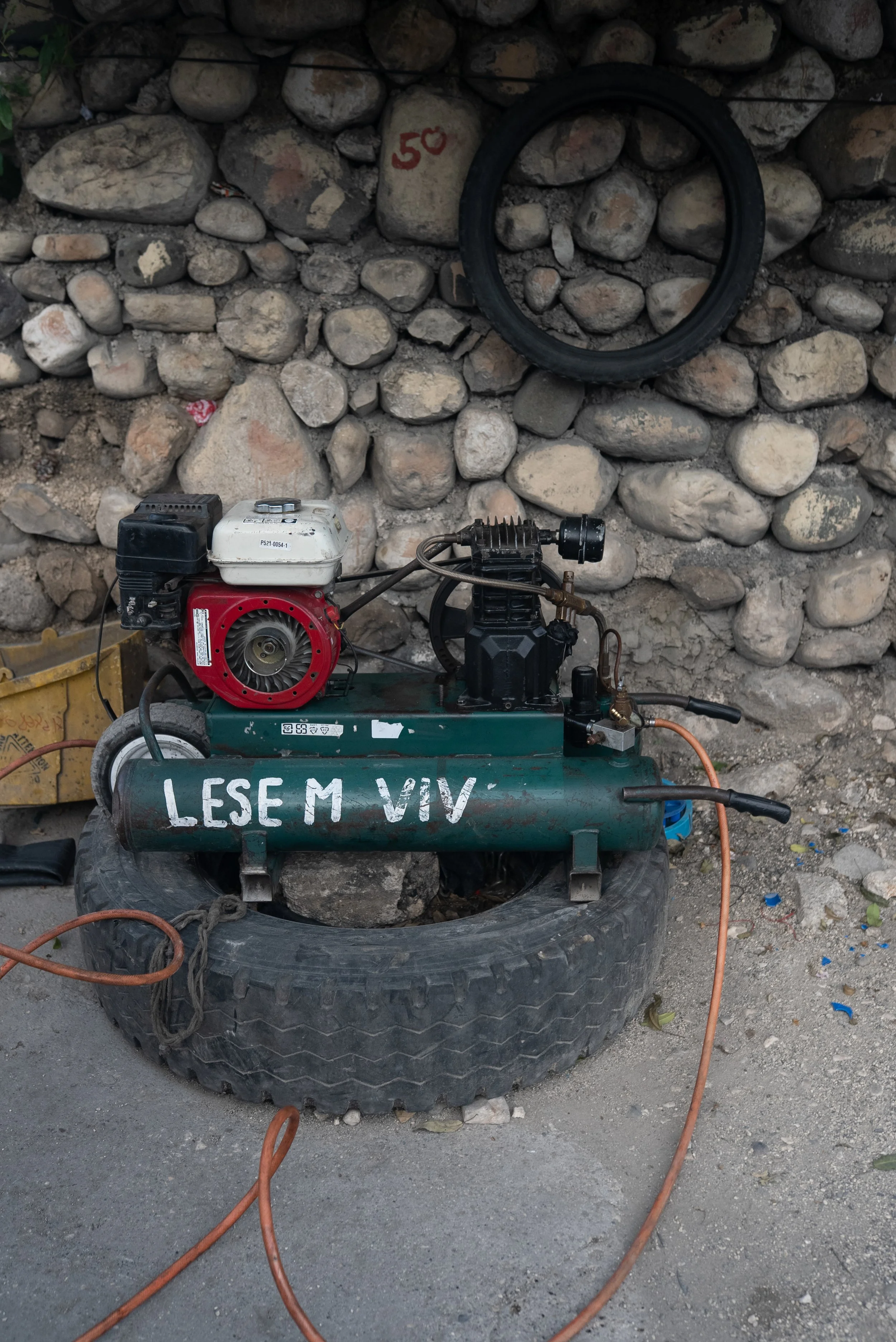
"Let me live" graffitted onto a mechanics workwear for motorcycle taxi drivers in Port-au-Prince.
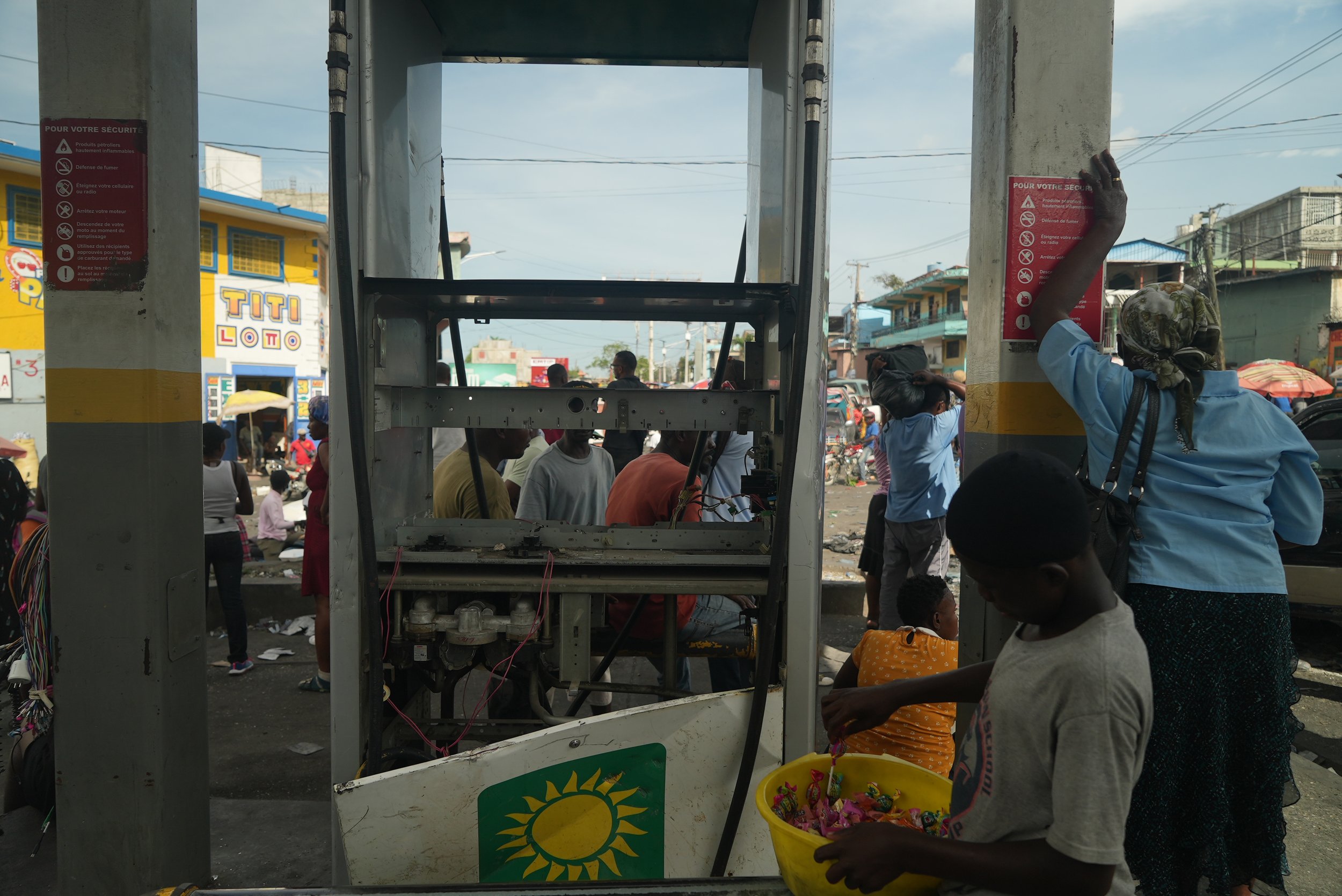
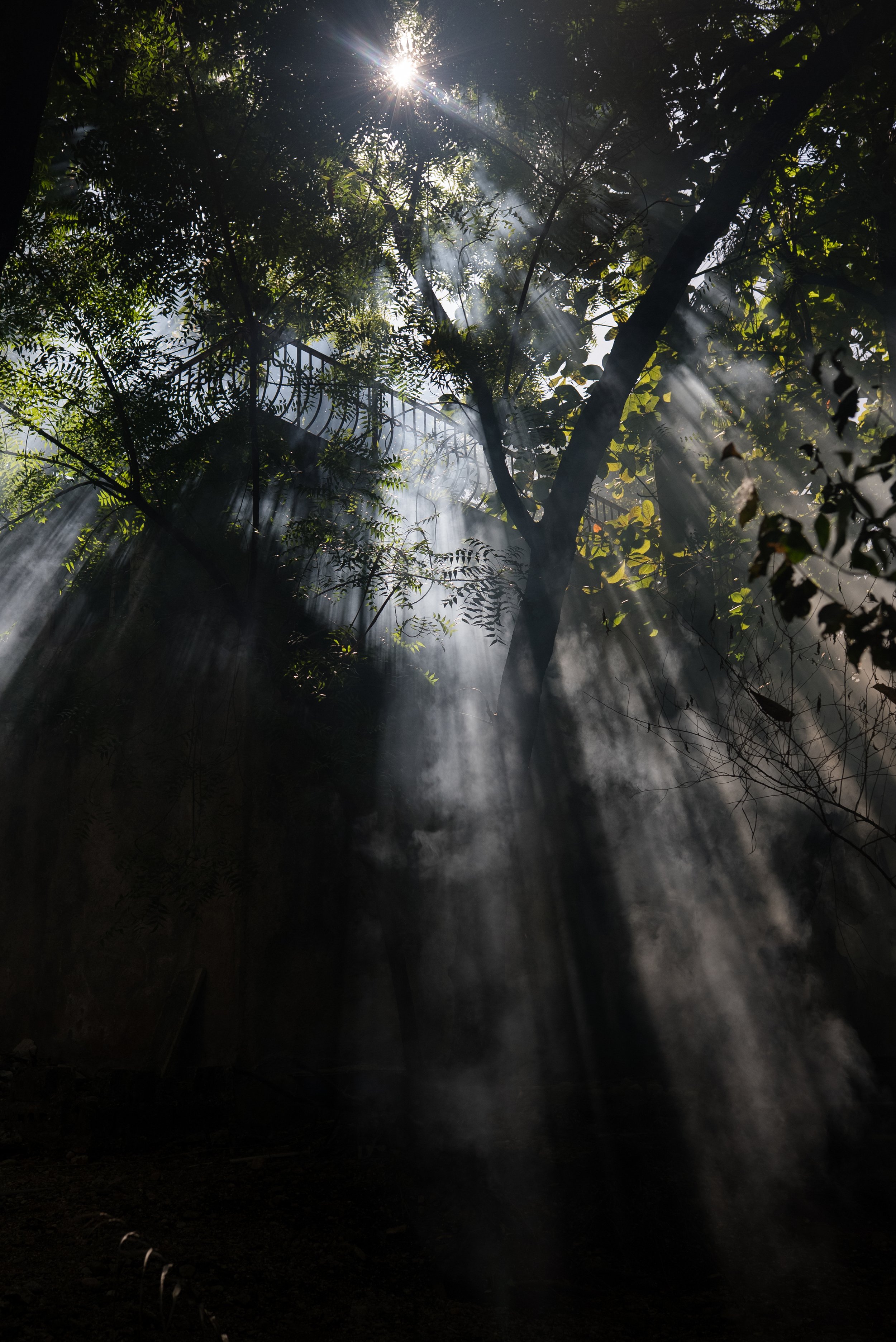
Smoke pours through neighboors in Port-au-Prince near burning tires as conflict ensues.